.png)
 1 month ago
8
1 month ago
8
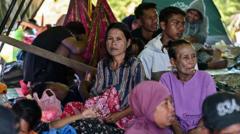
As the world watches the unfolding drama in Afghanistan, a lesser-known story is unfolding in Pakistan's Khyber Pakhtunkhwa province. Thousands of Afghan refugees, who have called Pakistan home for decades, are being forced to leave behind the only lives they have known. In a heart-wrenching scene, they are tearing down their own homes, built with their own sweat and toil, before departing for a country they have never known.
Background & Context
The Khazana Camp in Peshawar, Khyber Pakhtunkhwa, has been home to Afghan refugees since its establishment in the early 1970s. The camp was set up to provide a safe haven to those fleeing conflict in Afghanistan, and over the years, it has evolved into a thriving community. The camp's residents have built their lives from scratch, earning a living, raising families, and contributing to the local economy.
However, with the Taliban's return to power in Afghanistan in 2021, the Pakistani government began to plan for the repatriation of Afghan refugees. The United Nations High Commissioner for Refugees (UNHCR) estimates that over 16 million registered Afghan refugees are currently in Pakistan, with an additional 6 million Afghans having entered Pakistan since 2021. The Khazana Camp, once a bustling community, is now a shadow of its former self, with many homes lying abandoned and in ruins.
Key Details
26-year-old Haji Wali, born and raised in the Khazana Camp, is one of the many Afghans who are struggling to come to terms with their impending departure. "I never thought I'd have to leave this place," he said, his voice trembling with emotion. "My parents always told me that our homeland was Afghanistan, but I never felt like I was living in a foreign country. We considered Pakistan and Afghanistan our own." Haji Wali's family, like many others, built their home from scratch, earning a living through hard work and determination.
According to Haji Wali, his family invested over 4-5 million Pakistani rupees (approximately $25,000-$30,000 USD) in building their home, which has now been reduced to rubble. "We had to sell our home at a loss, and even then, it was a struggle to find buyers. We've had to dismantle the walls, doors, and windows to take with us, but the bricks and mortar are too heavy to carry. It's a bitter pill to swallow, leaving behind the only home we've ever known." Haji Wali's words are a testament to the resilience and determination of the Afghan people, who have faced unimaginable hardships and yet continue to hold on to their dreams.
What Experts Say
Local resident, Saif Iqbal, who has lived in the area for decades, has a unique perspective on the situation. "I remember when the Afghan refugees first arrived, we thought it was a temporary solution, but over the years, they became an integral part of our community. Many of them have built their lives from scratch, and it's heartbreaking to see them leave behind everything they've worked for." Saif Iqbal's words are a poignant reminder of the human cost of conflict and the importance of finding lasting solutions to displacement.
Key Takeaways
- Over 16 million registered Afghan refugees are currently in Pakistan, with an additional 6 million Afghans having entered Pakistan since 2021.
- The Khazana Camp, once a thriving community, is now a shadow of its former self, with many homes lying abandoned and in ruins.
- Afghan refugees have built their lives from scratch, earning a living, raising families, and contributing to the local economy.
- The repatriation of Afghan refugees raises complex questions about identity, belonging, and the human cost of conflict.
What This Means For You
The story of the Afghan refugees in Pakistan is a powerful reminder of the importance of finding lasting solutions to displacement. As the world grapples with the challenges of refugee crises, it is essential to prioritize the needs and rights of those affected. By supporting organizations working to provide aid and assistance to Afghan refugees, we can make a tangible difference in their lives and help them build a brighter future.
As Haji Wali's words echo in our minds, "We will carry the memories of our home with us, but it will never be the same. We will always be Afghans, but we will also be Pakistanis, and we will always be human." The resilience and determination of the Afghan people are a testament to the power of the human spirit, and it is our collective responsibility to support them in their journey towards a brighter future.







 English (US) ·