.png)
 6 hours ago
6
6 hours ago
6
Mental health can often mean another program, another training course, or another thing for teachers to squeeze into an already packed school day.
Mood Classroom delivers simplicity by offering 20 free lessons that can be delivered directly in the classroom, with no teacher training or preparation required.
Designed for children in grades 3–8, the lessons take around 20 minutes and introduce simple strategies for dealing with everything from frustration and overstimulation to anxious thoughts and difficult emotions.
The material comes from MOOD, a mental wellness organization focused on giving children and teenagers practical tools for managing everyday emotional challenges.
What is Mood Classroom?
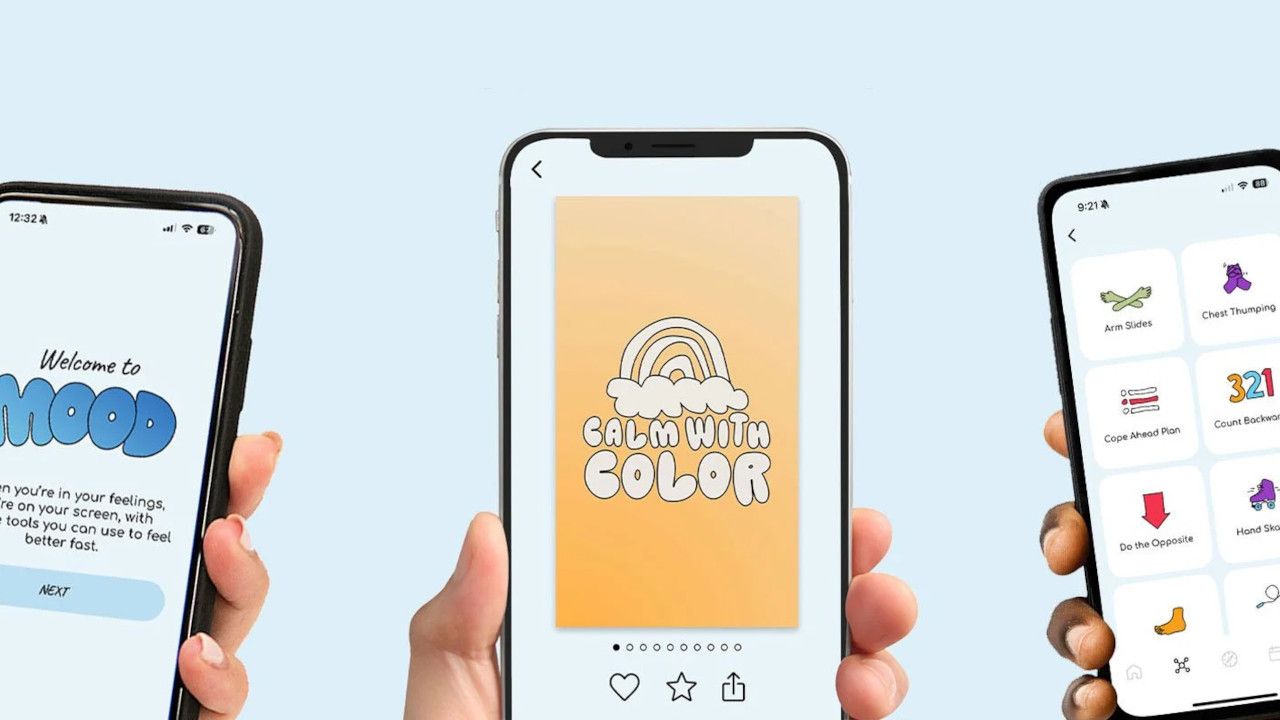
Mood Classroom is essentially a ready-made mental wellness curriculum that teachers can use whenever their class needs a short emotional reset or wants to explore a particular coping strategy.
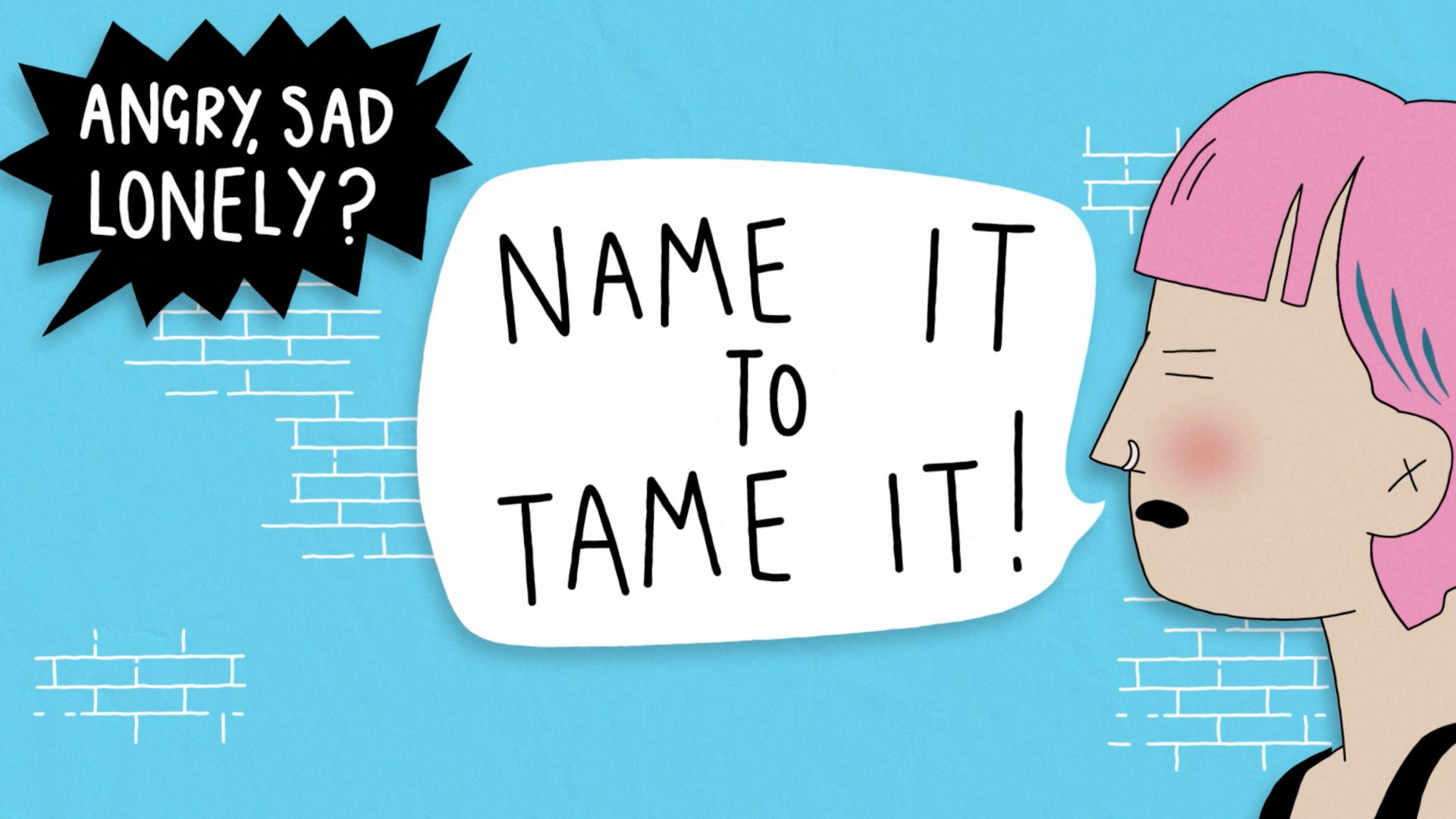
It offers 20 lessons in total, covering techniques including breathing, movement, progressive muscle relaxation, sensory grounding, tapping, and thought-shifting. Lessons have accessible names such as, "Name It to Tame It," "Surf the Wave," "Just Move," and "Use Your Senses," to help turn potentially abstract ideas about emotional regulation into things children can actually remember and use.
MOOD says the activities are based on proven psychological techniques, adapted to make these appropriate and accessible for children. Its wider collection of Mood Tools draws on approaches including cognitive behavioral therapy (CBT), dialectical behavior therapy (DBT), and acceptance and commitment therapy (ACT).
Mood Classroom isn't presented as a replacement for professional mental health support. Instead, it gives teachers a set of simple classroom activities that can help children develop emotional awareness and practical coping skills.
How does Mood Classroom work?
Getting started with Mood Classroom is super straightforward. Head to the Mood Classroom website, choose one of the 20 available lessons, and open it on the classroom display.
The lessons are designed to take 20 minutes or less, so these can fit into the school day without the need to carve out a whole lesson. You could use one during morning meeting, as a transition between activities, after break or lunch, or when the class needs a change of pace.
Each lesson focuses on a single technique and guides pupils through it. "Hand Breathing," for example, uses the movement of tracing around a hand to pace breathing, while "Tighten, Hold, Relax" introduces progressive muscle relaxation. Other sessions use movement, sensory awareness, visualization, or ways of approaching difficult thoughts.
The 20 lessons don't need to be followed in a particular order, either. Teachers can choose an activity that fits the class, or work through the collection over time so pupils are exposed to a range of different techniques. That also means a teacher can return to a familiar exercise when a particular approach has worked well for their pupils.
The idea is to provide children with practical strategies they can try for themselves. Once pupils know the techniques, the activities can also be revisited outside the formal lesson, giving them something familiar to turn to when they feel overwhelmed, distracted, or stressed.
What are the best Mood Classroom features?
The appeal of Mood Classroom is largely in its simplicity. Yes, there are 20 lessons to choose from, but they aren't 20 versions of the same mindfulness exercise. The collection moves between breathing, movement, relaxation, sensory grounding, visualization, and cognitive techniques, giving teachers plenty of different ways to approach emotional regulation.
The lessons are also short enough to really work in a busy classroom. The roughly 20-minute format makes it easier to build the activities into existing routines. This is an ideal way to make wellbeing activities a regular part of the week.
Another useful feature is the way the activities turn quite complicated psychological ideas into things children can do. Pupils are shown a breathing technique, asked to notice their senses or guided through a physical relaxation exercise. The emphasis is on practicing a skill rather than simply learning about one.
Plenty of flexibility is available in how the resource can be used. A teacher can introduce the whole class to a new technique, revisit an activity pupils already know or pick something that suits a particular point in the school day. Because the lessons don't require specialist training, they're also accessible to teachers who aren't mental health professionals.
While Mood Classroom is designed to stand on its own as a free classroom resource, it's part of MOOD's wider collection of mental wellness tools. That includes its Mood Tools app, which gives children and families access to additional techniques for managing emotions beyond the classroom.
How much does Mood Classroom cost?
Mood Classroom is completely free.
All 20 classroom lessons are available to access online without a subscription, and MOOD also makes its wider collection of Mood Tools freely available.
For schools, there's no software licence to negotiate, no specialist hardware to buy and no training programme to organise before teachers can try it.
Mood Classroom Tips
- Don't wait for a crisis
Introducing the tools when things are calm gives children a chance to learn the techniques before they might need any. - Build a regular routine
Regularity and familiarity should make it easier for children to recognize and use individual techniques independently. - Let children find their favorites
Not every strategy will work equally well for every child. Give pupils opportunities to try different approaches and identify the ones that feel most useful to them. - Use movement as well as mindfulness
The collection includes physical activities alongside breathing and thought-based techniques. That's useful for classrooms where sitting quietly and focusing inward isn't necessarily the most effective way to reset. - Keep the conversation going
The lesson itself doesn't have to be the end of the activity. Use it as a starting point for talking about emotions, stress and the different ways people respond when they're struggling.







 English (US) ·