.png)
 5 hours ago
1
5 hours ago
1
For many kids, the last bell of the school year sounds like freedom. But for millions of others, it signals the end of a reliable meal. More than 21 million children qualify for free and reduced-price school lunches. During summer, that number drops to 3.2 million. The children left behind have not stopped being hungry, but the system that feeds them was built around a school calendar that runs out in June.
A child’s need to eat does not expire, and the stakes reach past the meal on the tray. Food is a precondition for everything else we want for children: the ability to learn and thrive academically, relief for families who should not have to choose between groceries and rent and the chance for young people to stay on track toward graduation and work. When there is nearly an 18 million gap in childhood access for three months a year, we’re spending down our collective future, one skipped lunch at a time.
The data points to a challenge that extends beyond any one company or industry.
Tyson Foods partnered with GENYOUth to support summer meal programs operated by schools in Georgia and Arkansas to better understand and address the barriers schools face in reaching children during the summer. We made a $150,000 investment to help fill key gaps. But more than 60 districts applied, requesting about $600,000, roughly four times the available funding. What we learned helps explain why the gap persists.
The gap isn’t local. It’s national.
What we saw in two states reflects a national shortfall. For every 100 children who get a subsidized lunch during the school year, roughly only 16 get one after it ends.
The reasons are familiar, which is what makes them solvable. A meal site three miles away might as well be thirty without a bus. A parent working a late shift can’t access a meal that ends at noon. Many families never learn the program exists.
The good news is that participation increases when access expands. Participation rose 12.6% in 2024, some 352,855 more children fed, as new, rural and non-congregate options took hold, and Summer EBT became permanent. That’s important momentum to harness.
The shortfall that punishes success
The system can also make serving more children harder, not easier.
USDA reimburses summer meal sites per meal served and doesn’t cover fixed costs or unexpected expenses that don’t scale with participation. As a result, districts must fundraise to cover the difference, roughly 50 cents a lunch and a dollar a breakfast.
That creates a trap. The more children a district needs to feed, the more dollars it must source locally, while communities with the greatest need often have the fewest resources to raise them. Some respond the only way the math allows: they feed fewer children.
Supply and demand, on purpose
Our partnership with national nonprofit GENYOUth addresses both access to meals and participation. Our grant dollars stretch what federal reimbursement otherwise may not support: labor, refrigeration, fuel or an effective serving line. Those operational resources often determine whether a site opens.
To inspire greater meal participation, food funding is paired with physical activity kits. Pairing meals with physical activity and other enrichment turns a site that once served only a summer meal into a place children want to visit and spend time. The activities create the draw; the meals deliver the impact.
At Lake Hamilton Schools in Pearcy, Arkansas, where 70 percent of students qualify for subsidized meals, leaders put grant funds toward labor, freeing other money for local produce. Removing operational pressures freed the district to focus on reaching more children. They also bought fans and cooling towels so workers could serve in the heat.
Cherokee County, Georgia, outfitted buses as air-conditioned mobile dining rooms—directly addressing the transportation and accessibility gap. Another district hired teachers to read stories and lead craft time alongside meal service, and meals served rose 10 percent year over year.
Schools told us the grants made a meaningful difference in their ability to serve their community. Every district rated its grant’s impact at 8 or above out of 10, and three in four said the money helped sustain an existing program. The results are encouraging, but they also highlight how much need remains unmet.
September is Hunger Action Month. Here is the ask.
To companies in the food industry and beyond: Ground your commitments in a clear understanding of the need. Measure demand, listen to the organizations closest to it and use what you learn to direct resources where they can have the greatest impact. No single commitment will meet the full scale of the challenge—but greater visibility into unmet need can help companies make smarter investments and identify where broader collaboration is needed.
To school and program leaders: Keep telling us what you need in your own words. Every good decision we made to direct Tyson Foods’ donations traces back to something a school nutrition director said out loud, including the request for fans and cooling towels.
To policymakers: Reimbursement rates are a critical part of the equation. When they don’t fully reflect the cost of providing a meal, districts serving the greatest number of children face an additional funding gap. Bringing reimbursement closer to the true cost of service would strengthen the foundation for summer nutrition programs—and help philanthropic and corporate dollars go further.
Summer meals can reach more children in need, and our program with GENYOUth demonstrated that communities are ready, resourceful and successful when additional funding is provided. The system is running at a fraction of its own capacity, held back by cents on the meal and a missing ride to lunch. The demand is in the data. The barriers are known. The opportunity is ours to seize.
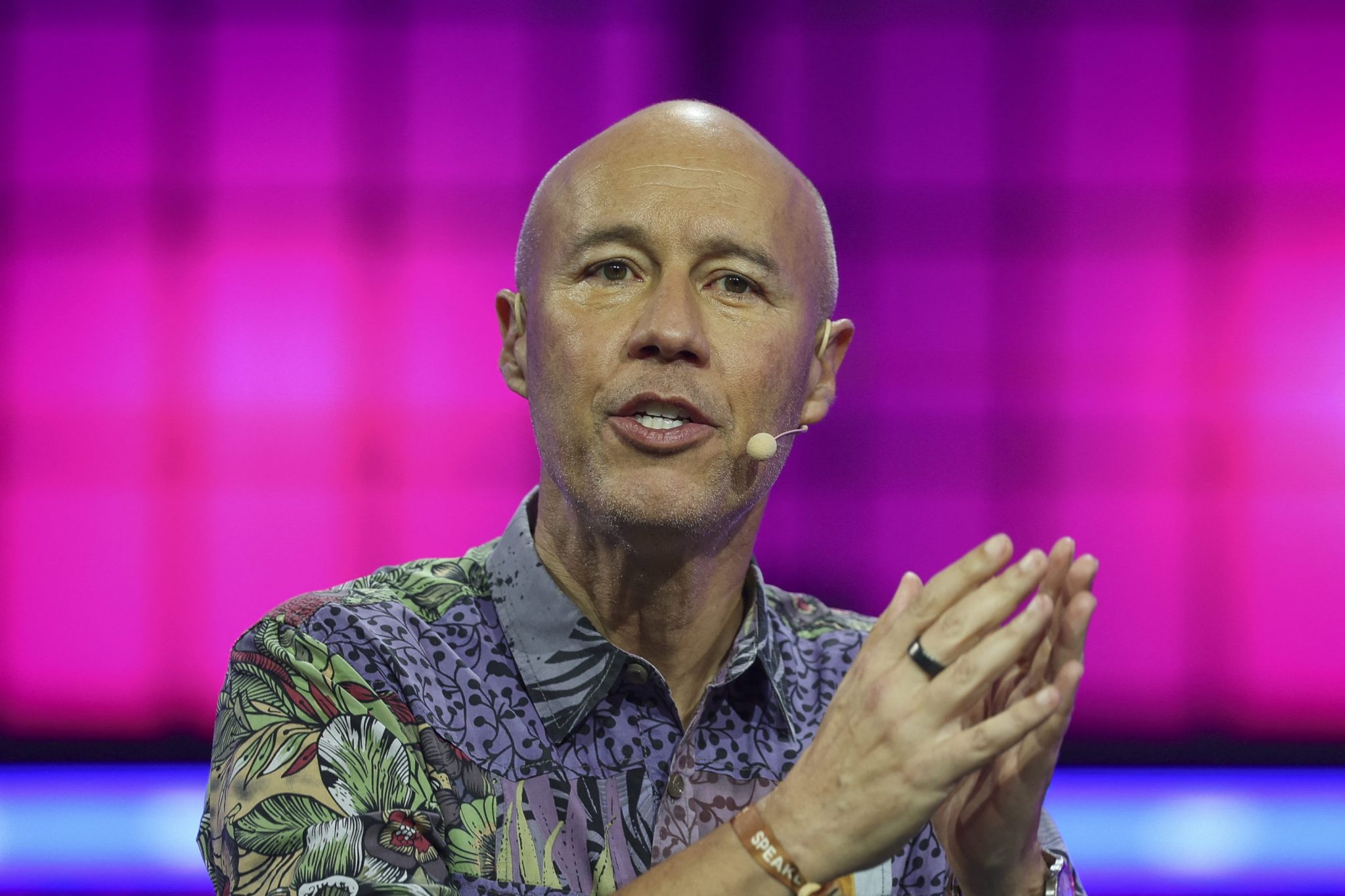
Tim Grailer is the Head of Community Impact & Relations at Tyson Foods.
The opinions expressed in Fortune.com commentary pieces are solely the views of their authors and do not necessarily reflect the opinions and beliefs of Fortune.
This story was originally featured on Fortune.com







 English (US) ·