.png)
 1 hour ago
5
Walking into Gillette Stadium, you could feel the energy of educators, technology leaders, students, and solution providers coming together with a shared purpose: making learning better. MassCUE 2026 was more than a technology conference. It celebrated ideas, connections, creativity, and the people pushing education forward.
I experienced this year’s event from several perspectives. As a featured speaker, I shared our work in New Bedford Public Schools around artificial intelligence implementation and building a technology team that supports learning. As host of the Stronger Together podcast, I connected with educators and leaders to amplify their voices and stories.
But what made this event memorable wasn’t the technology, presentations, or setting.
It was the people.
Across two days, several themes emerged that should guide our work long after leaving Gillette Stadium.
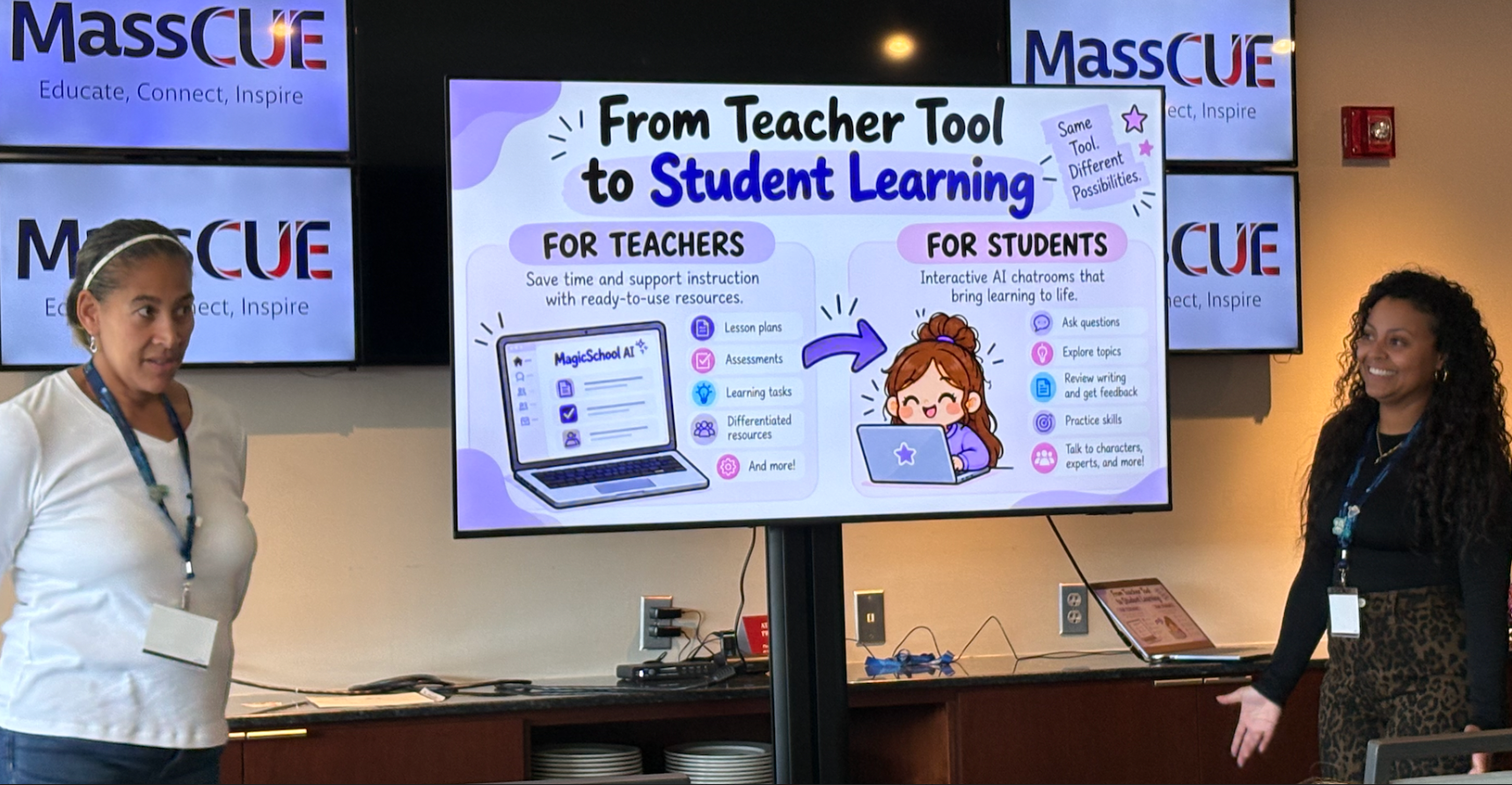
Human-Centered Technology: Keeping People at the Heart of Innovation
One of the strongest messages I took away from MassCUE was the importance of human-centered technology. With artificial intelligence reshaping education, it is easy to focus on the newest tools and features. But technology should never be the starting point of our decisions.
Students should be.
Technology is most powerful when it strengthens relationships, expands opportunities, removes barriers, and creates learning experiences that might not otherwise be possible. As leaders, we must look beyond what technology can do and ask what it should do. Does it improve learning? Support educators? Create greater access? Help students think, create, collaborate, and grow?
Those questions should drive our decisions.
I was especially encouraged by students participating in presentations and panels throughout the conference. Their voices weren’t an afterthought. They were part of the learning.
If students are at the center of our decisions, they should help shape them.
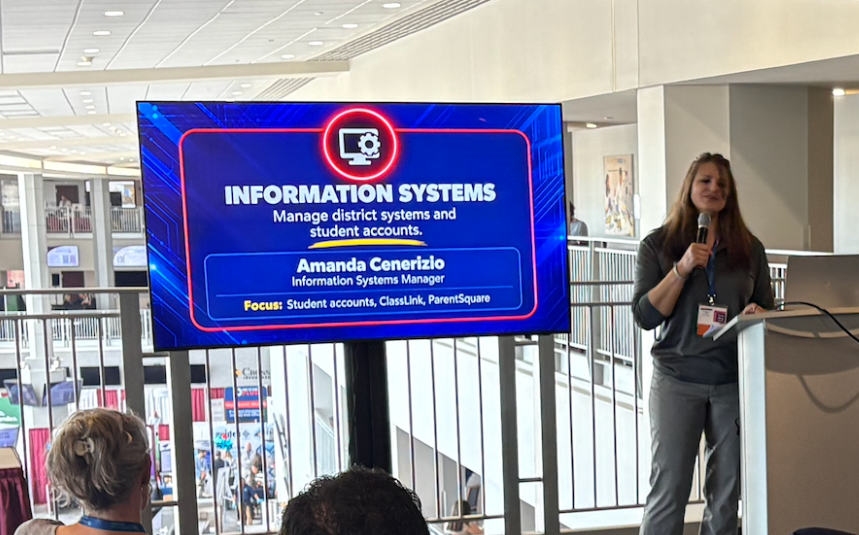
Innovation You Could See, Feel, and Experience
Another standout feature was the energy and creativity throughout the G-P Atrium.
The atrium became more than a gathering space. It brought learning, creativity, conversation, and connection together.
From the main stage featuring Carl Hooker to Marialace Curran leading the Gym for the Brain, opportunities extended beyond traditional conference sessions. The podcast area amplified educator voices. The one-on-one chill zone offered opportunities to connect and reflect. Manuel Herrera’s creativity and artistry reminded us that innovation extends beyond devices and software. Creativity and imagination are essential to learning and leadership. The Educator Playground invited participants to explore, experiment, and experience learning firsthand.
These spaces encouraged participation rather than passive observation. You weren’t simply attending a conference. You were part of the experience. There is a lesson here: Professional learning should provide opportunities to experiment, collaborate, and learn from one another, not just sit and listen.
Moving Beyond Ideas to Action
Conferences inspire us. We hear speakers, discover tools, and leave with notes. But inspiration alone doesn’t change classrooms.
Action does.
What I appreciated about MassCUE was the action-oriented nature of its sessions. Educators weren’t simply discussing future possibilities. They shared what they are doing now. Real examples. Real challenges. Real lessons learned. Across conversations about AI, digital learning, cybersecurity, student engagement, and leadership, a common message emerged: Start with purpose, build a plan, and learn along the way.
AI discussions were particularly meaningful. The focus is moving beyond exploring tools toward responsible implementation. That means establishing expectations, supporting educators, protecting student information, and evaluating results.
Innovation doesn’t require perfection, but it does include purpose, courage, collaboration, and action.
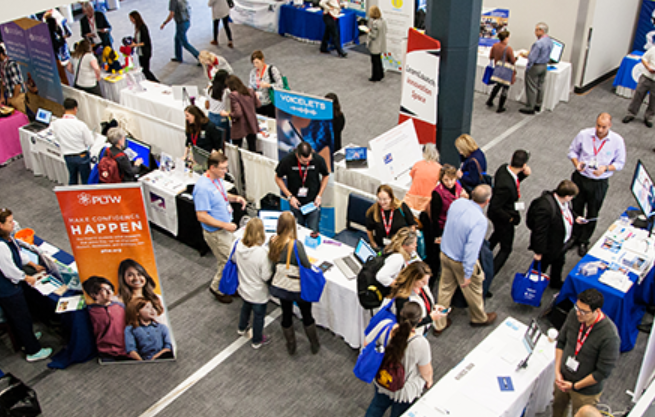
Partnerships That Power Innovation
Another valuable part of MassCUE was connecting with solution providers on the vendor floor. Sometimes we view the vendor floor as a place to explore products. I see an opportunity to build relationships, exchange ideas, and discover resources alongside partners invested in helping schools succeed. Meaningful change requires more than purchasing products. It takes planning, professional learning, support, and partnerships.
Solution providers shared resources to help districts strengthen innovation, cybersecurity, student safety, and instructional impact. The most valuable conversations move beyond what a product does to what a district wants to accomplish. Strong partnerships begin with listening, understanding challenges, and finding solutions together.
Sometimes the greatest opportunity isn’t buying something new. It’s maximizing what we already have.
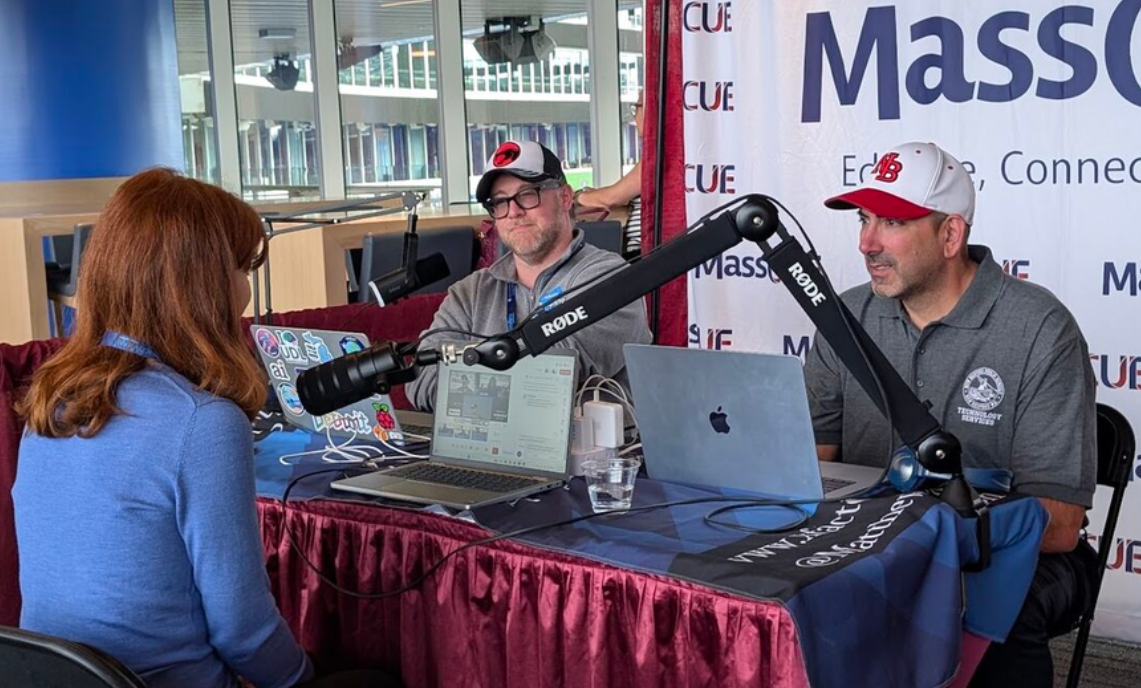
The Power of Connection
Perhaps my favorite part of MassCUE was connecting with people. Some conversations were planned. Others happened because someone walked by and joined in. Those moments were equally meaningful.
What stands out is educators’ willingness to share their expertise, challenges, resources, and time. There is power in being surrounded by people passionate about improving education who recognize that none of us needs to do this work alone. The best ideas don’t always come from a keynote or presentation.
Sometimes they come from a hallway conversation, a connection over lunch, or an exchange between sessions.
5 Takeaways Leaders Can Put Into Action Tomorrow
Beyond the inspiration, MassCUE offered practical lessons for technology and learning leaders.
- Start With Learning, Not Technology. Identify the instructional challenge before adopting another tool. Ask teachers and students what they need, then explore how technology can help.
- Move AI From Exploration to Implementation. Establish expectations, provide professional learning, begin with manageable pilots, and use feedback to guide expansion.
- Make Cybersecurity Everyone’s Responsibility. Protecting schools requires shared ownership. Include brief cybersecurity reminders in staff communications and reinforce safe practices.
- Maximize Technology Partnerships. Ask solution providers how existing resources can better support learning, safety, and efficiency. Focus on solutions, not just products.
- Give Students and Educators a Voice. Include students in technology decisions and provide opportunities for educators to share effective practices.
These steps don’t require major initiatives or new budgets, but intentional leadership and a willingness to act.
As I reflect on MassCUE 2026, one thought stays with me. Technology may bring us to this event, but people make it extraordinary. Technology provides tools. Innovation creates possibilities. Sessions offer strategies. Partnerships provide support.
But people make it matter.
The teacher trying something new. The technology leader creating safe systems. The student sharing a perspective. The school leader rethinking practices. The solution provider helping solve challenges. That is where impact happens.
A tremendous thank you to Grace Magley, Andrea Calvin, and the entire MassCUE conference committee for creating an inspiring event grounded in the work that matters. You created more than a conference. You celebrated educators, elevated student voices, encouraged innovation, strengthened partnerships, and reminded us of the power of learning together.
As we return to our districts, carry that energy forward. Put one idea into action. Continue a conversation. Invite student voice into a decision. Support a colleague. Because the true measure of a great conference isn’t what happens during those two days.
It’s what happens in our schools because of those two days.







 English (US) ·