.png)
 2 hours ago
2
2 hours ago
2
The Great Wealth Transfer: A $124 Trillion Shift in Philanthropic Giving
As the world witnesses the largest wealth transfer in history, a seismic shift is underway in the way philanthropic giving is approached. With the transfer of $124 trillion in wealth from baby boomers to younger generations, nonprofit organizations are struggling to adapt and connect with the next generation of donors.
Background & Context
The Great Wealth Transfer, which has begun in earnest, will see the transfer of an unprecedented amount of wealth from baby boomers to millennials and Gen Z. This generational shift has significant implications for the way philanthropic giving is approached, as the traditional relationships between wealthy donors and community-based nonprofits begin to erode.
The older generation, who have traditionally been the primary drivers of philanthropic giving, are now passing on their wealth to their children and grandchildren. However, this new generation has different values, priorities, and giving habits, making it challenging for nonprofits to adapt and connect with them.
Key Details
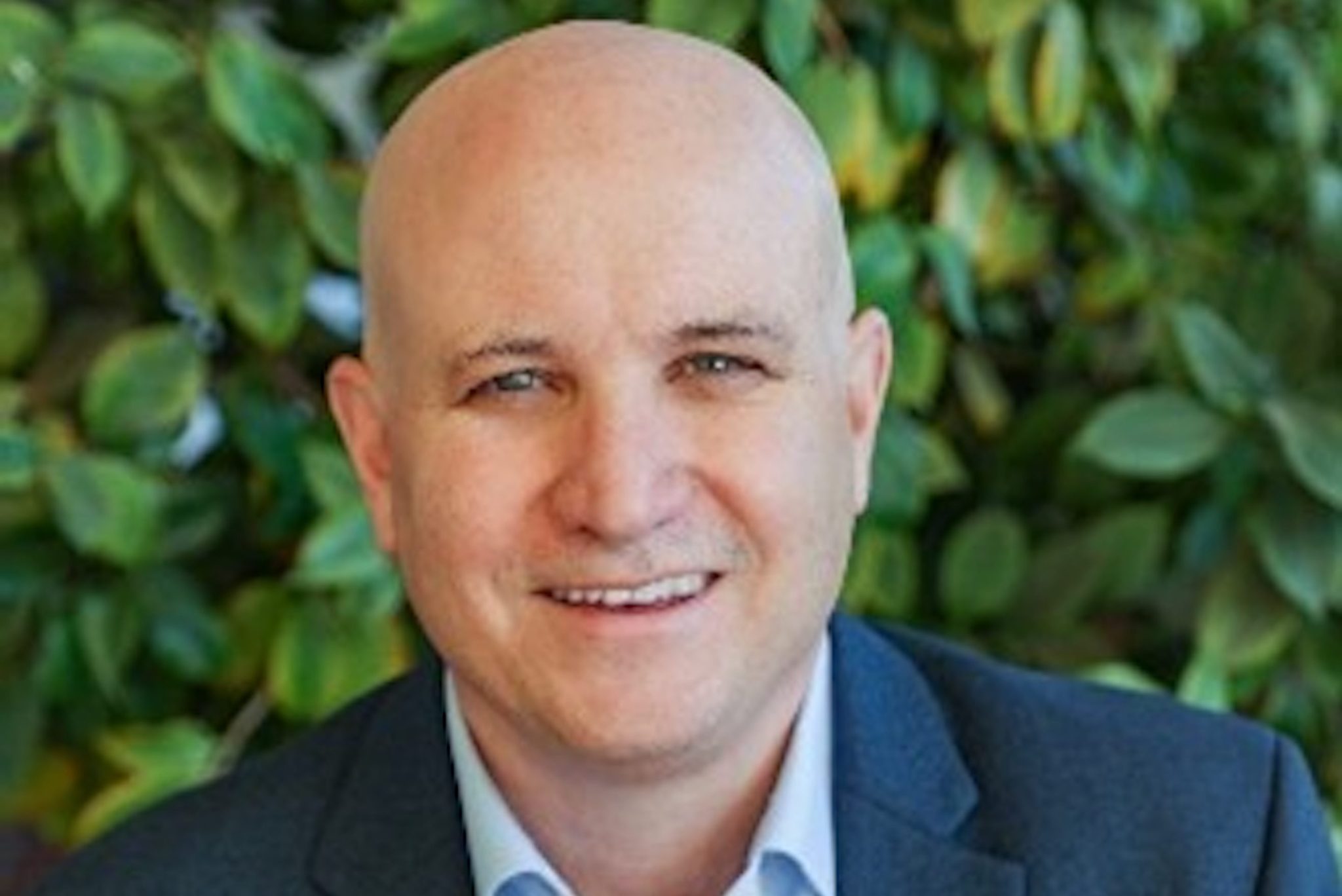
A recent report by Bloomerang, a nonprofit software company, highlights the challenges faced by nonprofits in reaching the next generation of donors. According to Steve Isom, chief operating and financial officer of Bloomerang, many nonprofits feel "paralyzed" in how to tackle the problem of engaging younger generations in philanthropic giving.
Isom notes that the level of connection between nonprofits and their donors tends to wane as the distance from the baby boomer generation increases. "The level of connection tends to wane," he explains. "Those donors' kids are less involved, and then those donors' kids are like not involved at all." This trend is evident in the example of an organization in Omaha, Nebraska, where the major donors today are the same individuals who were involved in philanthropic giving in the 1960s and 1970s.
However, millennials and Gen Z are taking a different approach to philanthropy. According to Bloomerang's 2026 Giving Signals Report, these generations care most about giving because it makes them feel as if they are "part of something." This sense of belonging and community is a key driver of philanthropic giving among younger generations.
The report also highlights the growing importance of millennials in philanthropic giving. Three-quarters of millennials plan to give more this year than last, while just 49% of Gen X and 36% of baby boomers said the same. This trend is evident in the data, which shows that millennials are the most active generation of donors right now.
What Experts Say
Experts agree that understanding how to reach millennials and Gen Z early will translate into more dollars down the road. "Millennials stand to gain more than any other generation," notes a wealth management firm. "So understanding how to reach millennials and Gen Z early will translate into more dollars down the road."
Isom sees the Great Wealth Transfer as an opportunity for nonprofits to adapt and connect with the next generation of donors. "The challenge is how are you introducing these next generations, and what programs do you have that are pulling in the younger generation?" he asks.
The report also highlights the importance of building relationships with high-net-worth and ultra-high-net-worth households, which will account for more than half of the total wealth transferred during the Great Wealth Transfer.
Key Takeaways
- Nonprofits are struggling to adapt to the shift in philanthropic giving, as the traditional relationships between wealthy donors and community-based organizations begin to erode.
- Millennials and Gen Z are taking a different approach to philanthropy, with a focus on giving that makes them feel as if they are "part of something."
- Three-quarters of millennials plan to give more this year than last, while just 49% of Gen X and 36% of baby boomers said the same.
- Understanding how to reach millennials and Gen Z early will translate into more dollars down the road, as they stand to gain more than any other generation.
What This Means For You
The Great Wealth Transfer has significant implications for individuals, families, and organizations. As the wealth of baby boomers is transferred to younger generations, it is essential to understand how to approach philanthropic giving in a way that resonates with the next generation.
For individuals and families, this means considering how to engage younger generations in philanthropic giving and building relationships with high-net-worth and ultra-high-net-worth households. For organizations, this means adapting to the shift in philanthropic giving and developing programs that attract and engage younger donors.
As the Great Wealth Transfer continues to unfold, it is essential to be proactive and adapt to the changing landscape of philanthropic giving. By understanding the needs and preferences of millennials and Gen Z, we can ensure that philanthropic giving continues to thrive and make a positive impact on the world.






 English (US) ·