.png)
 8 hours ago
1
8 hours ago
1
College Football Eligibility Chaos: NFL Coach's Reaction Exposes the Bigger Picture
Los Angeles Rams head coach Sean McVay's candid response to the recent college football eligibility controversy has left many scratching their heads. When asked about the shifting landscape, McVay quipped, "I feel like I took a freakin' gummy," implying a sense of bewilderment at the complex rules surrounding eligibility in college football. His comment highlights the uncertainty and confusion that has engulfed the sport following a recent court ruling and subsequent countermeasures from major college conferences.
Background & Context
The controversy began when a Louisiana judge issued a temporary restraining order granting a fifth year of eligibility to several college football players, including former Ole Miss tight end Dae'Quan Wright, who had moved to the NFL. The ruling allowed athletes who started college during the 2022-23 academic year an extra season and temporarily reopened the transfer portal for plaintiffs in the lawsuit.
The move sparked a wave of reactions from coaches, with some expressing frustration and others trying to make sense of the situation. The NCAA's recent rule change, aimed at preventing athletes from switching teams mid-season, has been at the center of the controversy. The new rule prohibits players who have started college from maintaining eligibility after signing a professional contract or appearing on a professional roster. However, the recent court ruling has created a loophole, allowing affected players to re-enter the college football system.
Key Details
As the situation unfolds, major college conferences have moved quickly to shut down the pipeline. The Big Ten unanimously adopted a rule Tuesday prohibiting football players who signed a professional contract, appeared on a professional roster, or declared for the NFL draft without withdrawing from maintaining college eligibility. The conference's move was swiftly followed by the SEC, which announced it will enforce a policy stating that member institutions are not permitted to roster any athlete who previously declared for a professional draft without withdrawing, signed a contract with a professional team or league, or was listed on a professional roster.
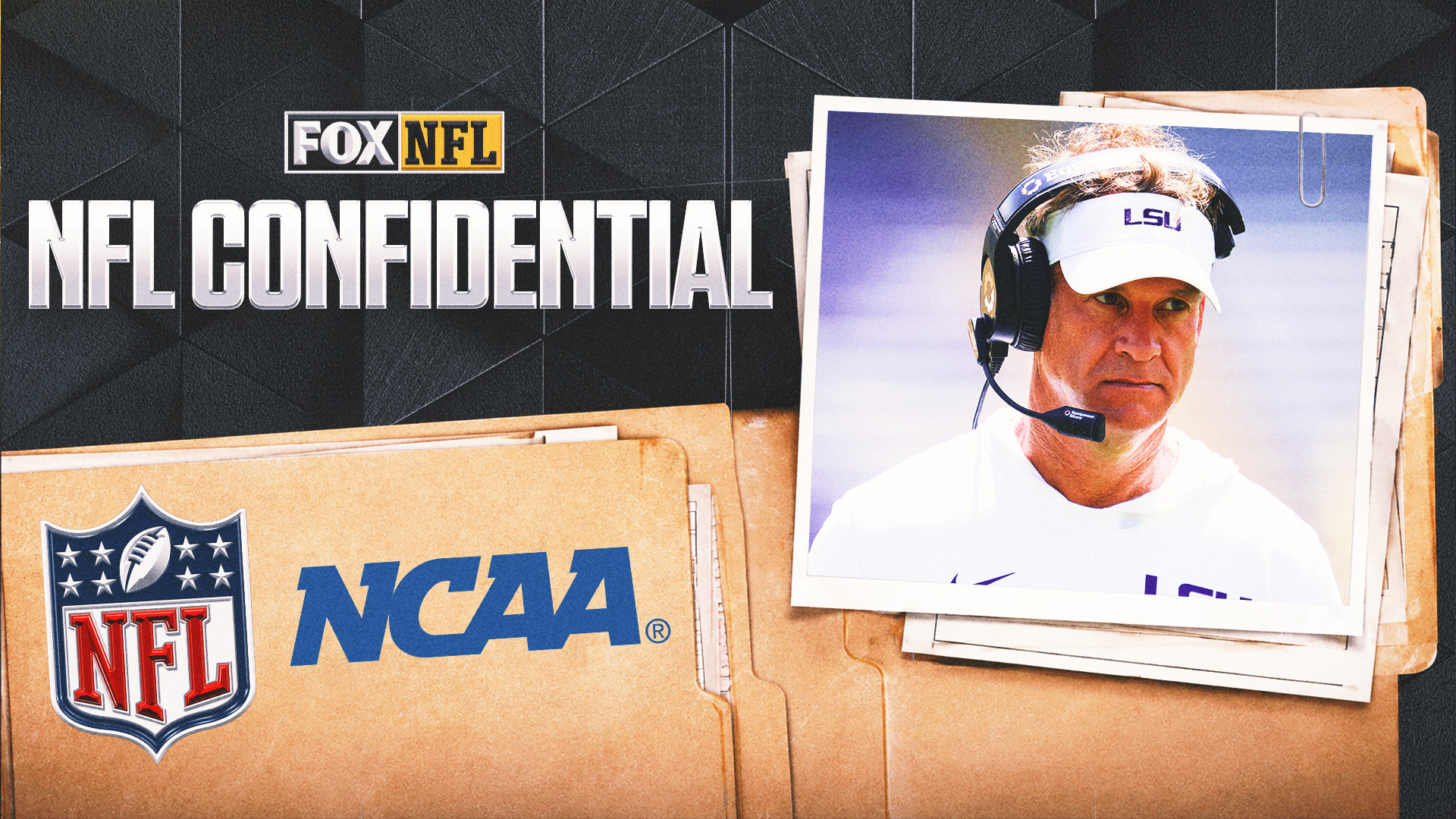
LSU coach Lane Kiffin expressed his views on the situation, stating, "They were granted a fifth year by a judge, saying they were wronged by the NCAA. It's simply that a judge decided they should have a fifth year, like everyone moving forward will have." The SEC policy directly impacts LSU and coach Kiffin, who had been actively recruiting players cleared by the court order.
Public opposition across college football remains strong, with multiple head coaches, including Oregon's Dan Lanning and Florida's Jon Sumrall, expressing frustration with the legal situation. With a preliminary injunction hearing scheduled for Aug. 31, the legal clash between court orders and conference regulations continues to create uncertainty.
What Experts Say
The recent developments in college football eligibility have sparked a heated debate among coaches, players, and fans. While some see the court ruling as a victory for affected players, others view it as a potential disruption to the sport's integrity. The situation highlights the complexities of college football eligibility and the need for clear, consistent rules.
As the situation unfolds, experts are weighing in on the implications of the recent developments. "The NCAA's rule change was aimed at preventing athletes from switching teams mid-season, but the court ruling has created a loophole," said a sports analyst. "The situation is a perfect example of the challenges facing college football, where players are increasingly seeking opportunities in the NFL while also seeking to complete their education."
Key Takeaways
- The court ruling has granted a fifth year of eligibility to several college football players, including Dae'Quan Wright.
- Major college conferences have moved quickly to shut down the pipeline, with the Big Ten and SEC adopting rules to prevent affected players from maintaining college eligibility.
- The situation highlights the complexities of college football eligibility and the need for clear, consistent rules.
- The preliminary injunction hearing scheduled for Aug. 31 will determine the future of the affected players and the college football system as a whole.
What This Means For You
The recent developments in college football eligibility have significant implications for fans, players, and coaches. As the situation unfolds, it's essential to understand the complexities of college football eligibility and the need for clear, consistent rules. The situation also highlights the importance of education and the need for athletes to complete their degrees before pursuing professional opportunities.
As the college football season approaches, fans can expect a continued focus on the eligibility controversy. The situation will likely impact the sport's integrity, and the outcome of the preliminary injunction hearing will determine the future of affected players and the college football system as a whole.
Ultimately, the situation serves as a reminder of the complexities and challenges facing college football. As the sport continues to evolve, it's essential to prioritize education, player well-being, and the integrity of the game.






 English (US) ·