.png)
 1 month ago
21
1 month ago
21
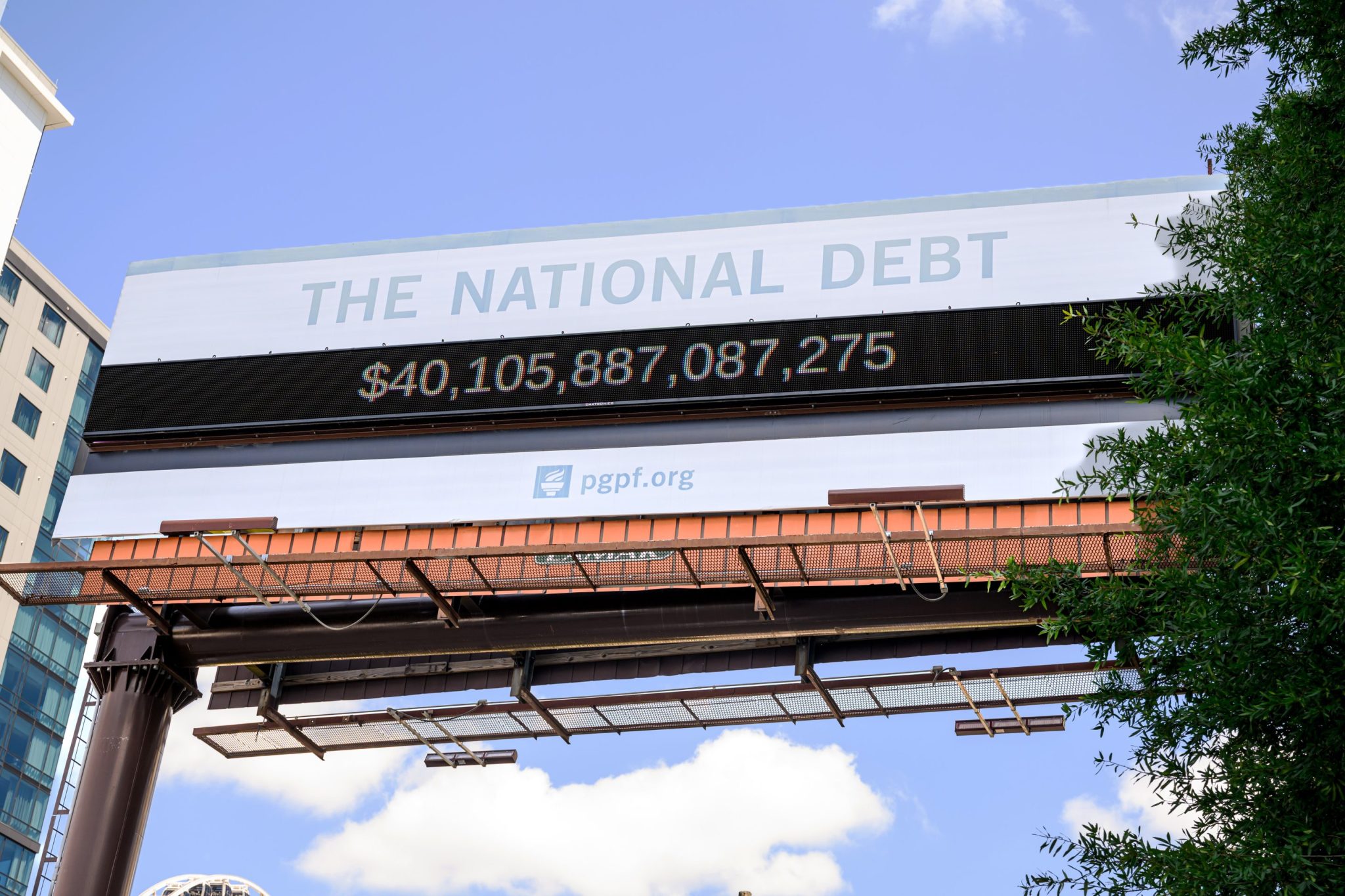
The United States has officially breached the $40 trillion mark in national debt, a milestone that has sent shockwaves through the economy and financial markets. However, Treasury Secretary Scott Bessent is urging Americans and investors to remain calm, insisting that the seemingly insurmountable figure is not as daunting as it seems.
Background & Context
The US national debt has been a pressing concern for economists and policymakers for years, with many warning of the devastating consequences of unchecked borrowing. The latest figure, which was reached just five months after the debt surpassed $39 trillion in March, is a stark reminder of the country's growing financial burden.
The rapid ascent of the national debt has been fueled by a combination of factors, including the COVID-19 pandemic, tax cuts, and increased government spending. As the debt continues to balloon, experts are sounding the alarm, warning of a potential economic crisis and a diminished credit rating.
Key Details
In a recent interview with CNBC's Sara Eisen, Secretary Bessent downplayed the significance of the $40 trillion mark, stating that "there's nothing magic about the $40 trillion number." He emphasized that the US can "grow its way out" of the debt by boosting economic growth and increasing tax revenue. Bessent also announced that the Treasury will double the size of its buyback operations for longer-dated securities, a move aimed at shoring up liquidity in the bond market.
According to Bessent, the government's fiscal consolidation in calendar year 2025 has already shown positive results, with the deficit landing at around 5.7% of GDP. He attributed the inflated headline deficit to one-time tariff refunds, which he argued will not recur in the coming years. Additionally, Bessent pointed to the cost of letting companies immediately expense new factories, equipment, and farm structures as a major drag on revenue, but emphasized that this is an investment in the future and increases the tax base.
Bessent's comments came a day after the Treasury announced plans to increase the size of its buyback operations for longer-dated securities, a move aimed at addressing concerns over a thinly traded and mispriced bond market. The change, which takes effect on September 9 and applies through November 4, will cover the 10-to-20-year and 20-to-30-year sectors, which have faced a "buyers' strike" since late June.
What Experts Say
While Secretary Bessent's comments may have reassured investors, many experts remain skeptical about the US's ability to manage its burgeoning debt. "The national debt is a ticking time bomb, and the $40 trillion mark is a stark reminder of the country's financial vulnerability," said Dr. Emily Chen, a leading economist at a prominent think tank. "The Treasury's buyback operations may provide temporary relief, but they do not address the underlying structural issues driving the debt."
Others have expressed concern about the potential consequences of the US's growing debt burden. "As the national debt continues to balloon, the country's credit rating will be put under increasing pressure," said James Reed, a credit analyst at a leading rating agency. "A downgrade in the US's credit rating would have far-reaching consequences, including higher borrowing costs and reduced investor confidence."
Key Takeaways
- The US national debt has officially reached $40 trillion, a milestone that has sent shockwaves through the economy and financial markets.
- Secretary Bessent has dismissed the significance of the $40 trillion mark, stating that "there's nothing magic about the $40 trillion number."
- The Treasury will double the size of its buyback operations for longer-dated securities, a move aimed at shoring up liquidity in the bond market.
- The government's fiscal consolidation in calendar year 2025 has shown positive results, with the deficit landing at around 5.7% of GDP.
What This Means For You
As the US national debt continues to balloon, everyday Americans will feel the pinch. Higher borrowing costs, reduced investor confidence, and a potential credit rating downgrade will all have far-reaching consequences for the economy and individual households. The Treasury's buyback operations may provide temporary relief, but they do not address the underlying structural issues driving the debt.
As the situation continues to unfold, it's essential to stay informed and take proactive steps to protect your financial well-being. Consider diversifying your investments, reducing debt, and building an emergency fund to weather any potential economic storms. By staying ahead of the curve and being prepared, you can navigate the uncertain economic landscape with confidence.
As Secretary Bessent so aptly put it, "We have a lot of potential energy that will turn into kinetic energy during this year, next year, as these factories come online." While the road ahead may be uncertain, one thing is clear: the US national debt is a pressing concern that requires immediate attention and action.







 English (US) ·