.png)
 3 months ago
49
3 months ago
49
The Perak police have finalized their investigation papers regarding a high-profile defamation case against Tok Batin of Kampung Lubuk Gaharu, who was accused of hiding Jaslinda Saludin, a 49-year-old female climber who went missing for 14 days. The case has garnered significant attention in the public eye, with the accused man's statements during a live broadcast session on TikTok sparking widespread outrage and calls for justice.
Background & Context
Jaslinda Saludin's disappearance on May 24 sparked a massive search operation, with authorities and volunteers scouring the mountain for any signs of the missing climber. Her safe return on June 6, after being discovered by residents of Kampung Orang Asli Lubuk Gaharu, was met with widespread relief and gratitude. However, the controversy surrounding the Tok Batin's alleged involvement in her disappearance has continued to simmer, with many calling for accountability and transparency.
The accused man's statements during the live broadcast session, which claimed that the Tok Batin had kept Jaslinda for two weeks and would marry her if the matter did not go viral, have been widely condemned as defamatory and hurtful. The incident has raised questions about the role of social media in perpetuating misinformation and the importance of verifying information before sharing it with a wider audience.
Key Details
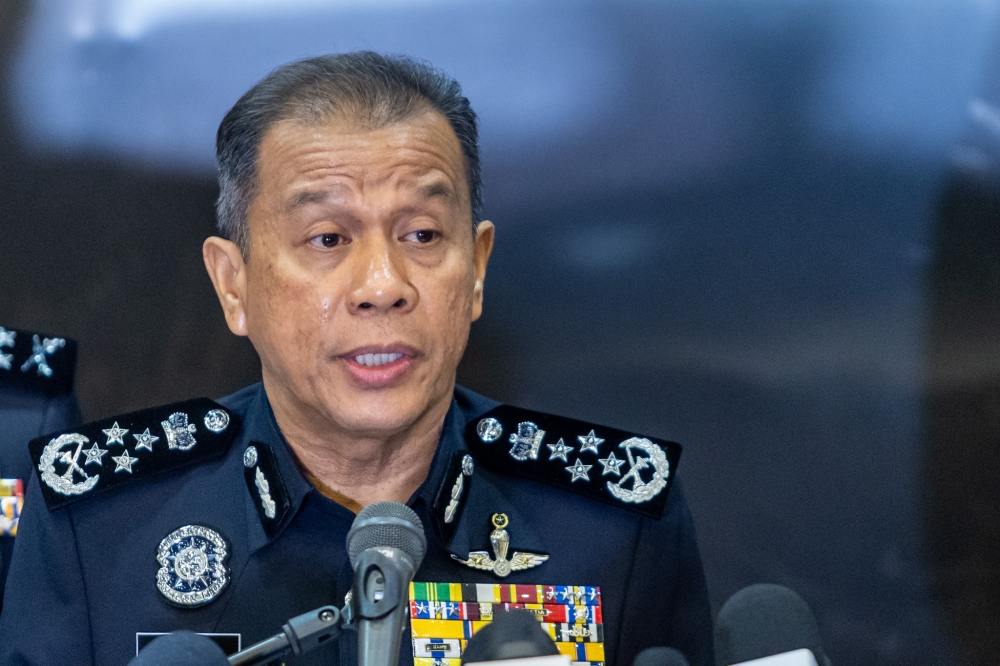
According to Perak police chief Datuk Mohd Alwi Zainal Abidin, the investigation paper has been submitted to the deputy public prosecutor for further action. The police chief stated that the accused man, who was remanded for four days to assist in the investigation, has been released on police bail. This development has been met with a mix of reactions, with some calling for the accused man to face consequences for his actions, while others have expressed concerns about the potential impact on his reputation and livelihood.
The accused man's decision to make a public apology via video recording following the controversy surrounding the post has been seen by some as a positive step towards healing and reconciliation. However, others have expressed skepticism about the sincerity of his apology and the potential motivations behind it.
What Experts Say
While the defamation case against the Tok Batin is still ongoing, experts say that it highlights the importance of verifying information before sharing it with a wider audience. "Social media can be a powerful tool for spreading information, but it can also be a breeding ground for misinformation and defamation," said Dr. Norhayati Mokhtar, a social media expert at the University of Malaya. "It's essential for individuals to be responsible and mindful of the information they share online, and to take steps to verify the accuracy of the information before sharing it with others."
The case also raises questions about the role of social media in perpetuating hate speech and defamation. "Social media platforms have a responsibility to ensure that their users are not spreading hate speech or defamatory content," said Dr. Siti Zubaidah, a law expert at the National University of Malaysia. "They must take steps to prevent the spread of such content and to hold individuals accountable for their actions."
Key Takeaways
- The Perak police have finalized their investigation papers regarding the defamation case against the Tok Batin of Kampung Lubuk Gaharu.
- The accused man has been released on police bail after being remanded for four days to assist in the investigation.
- The case highlights the importance of verifying information before sharing it with a wider audience, particularly on social media.
- Experts say that social media platforms have a responsibility to prevent the spread of hate speech and defamation, and to hold individuals accountable for their actions.
What This Means For You
The defamation case against the Tok Batin serves as a reminder of the importance of being mindful of the information we share online. As social media continues to play a larger role in our lives, it's essential that we take steps to verify the accuracy of the information before sharing it with others. This can be as simple as fact-checking information before sharing it, or taking the time to understand the context and implications of a particular post or message.
By being more responsible and mindful of the information we share online, we can help to prevent the spread of misinformation and defamation, and create a safer and more respectful online environment for everyone. As we move forward in this digital age, it's essential that we prioritize online responsibility and accountability, and work towards creating a culture of respect and empathy online.






 English (US) ·