.png)
 3 months ago
43
3 months ago
43
Muhyiddin: Bersatu Won't Leave Perikatan Without Coalition Consensus
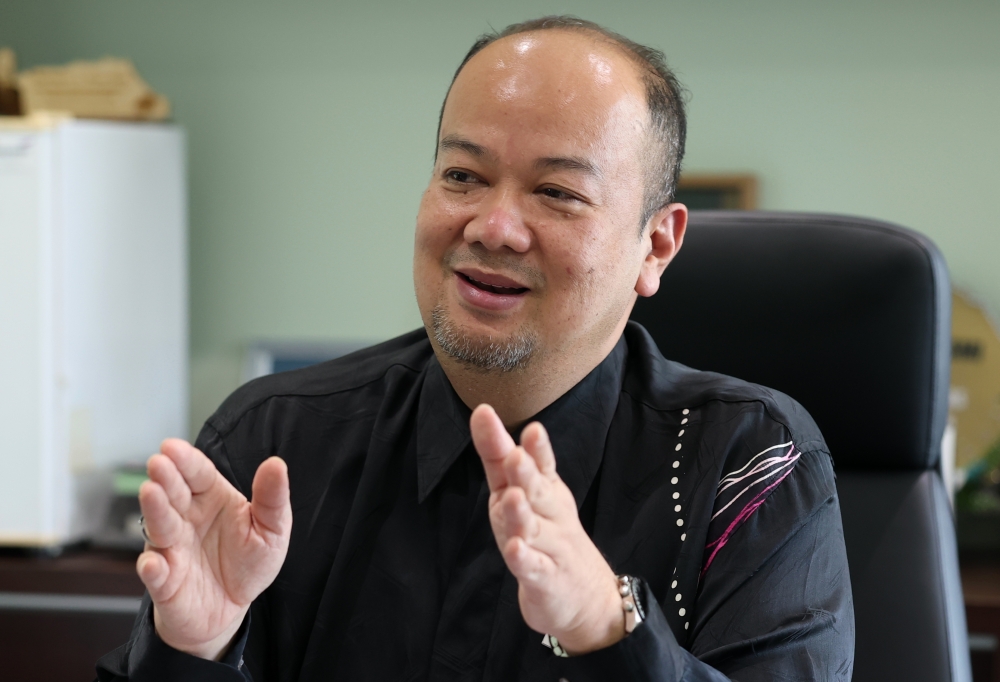
In a stark rebuke to PAS, Tan Sri Muhyiddin Yassin, the president of Parti Pribumi Bersatu Malaysia (Bersatu), has asserted that the party has no intention of abandoning Perikatan Nasional (PN), the opposition coalition they co-founded. Muhyiddin's comments come at a time when the relationship between Bersatu and PAS, another key player in PN, has hit a rough patch.
Background & Context
Perikatan Nasional, a coalition of Islamist and Malay nationalist parties, was formed in 2020 with the express aim of challenging the dominance of the Barisan Nasional (BN) coalition in Malaysian politics. Bersatu, under Muhyiddin's leadership, played a pivotal role in the coalition's formation and growth. However, in recent weeks, tensions have risen between Bersatu and PAS, with both parties insisting that the other should leave the coalition.
The dispute has significant implications for Malaysian politics. As the country gears up for state elections, including the highly anticipated Johor polls, the stability of PN is being put to the test. The coalition's ability to present a united front against the ruling PN government will have a direct bearing on its electoral fortunes.
Key Details
In a press conference at the launch of Bersatu's election machinery for the Johor state election, Muhyiddin made it clear that his party would not be walking away from PN without a consensus from the coalition's Presidential Council. According to Muhyiddin, any move to remove a component party from PN could not be made unilaterally, as the coalition's constitution requires a collective decision. "We will remain in Perikatan. We helped build this coalition and have been part of its growth from the beginning," he said.
Muhyiddin also questioned why Bersatu should leave PN, pointing out that the party had played a key role in the coalition's formation and development. He urged Bersatu members to remain united and focus on issues affecting the public, including the rising cost of living and economic pressures. "We must put aside our differences and work together to address the pressing issues facing our nation," he said.
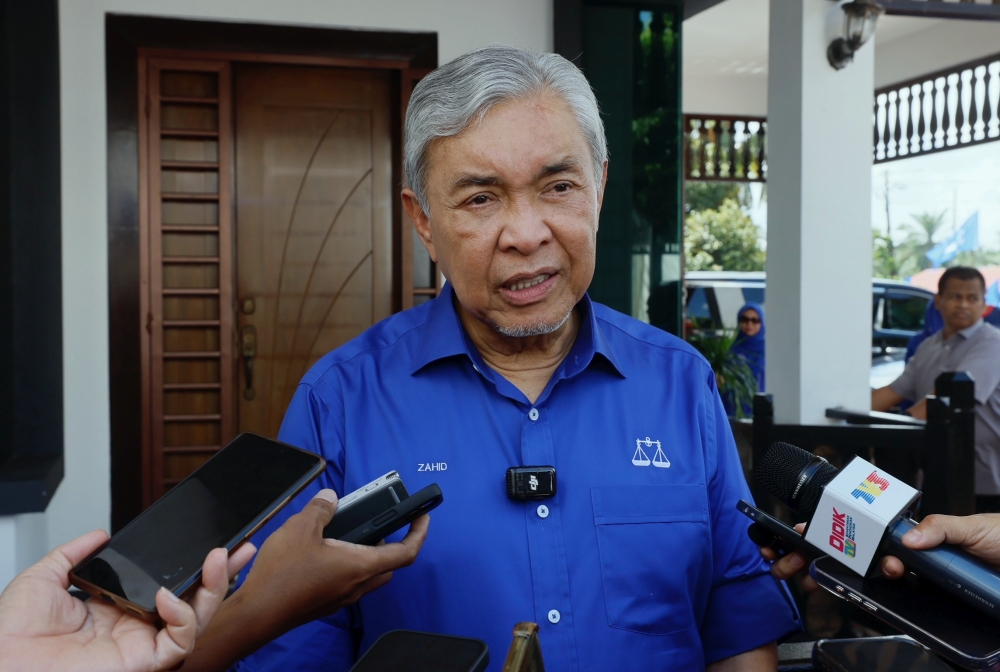
Muhyiddin's comments come as a response to PAS' announcement on June 8 that it would end political cooperation with Bersatu. The decision has been seen as a significant escalation of the tensions between the two parties, with some analysts suggesting that it could spell the end of PN as a viable opposition force.
What Experts Say
Political analysts have welcomed Muhyiddin's comments as a much-needed injection of stability into the PN coalition. "Muhyiddin's statement is a clear signal that Bersatu is committed to working within the coalition to address its differences with PAS," said Dr. Fadzil Noor, a political scientist at Universiti Malaya. "However, the question remains as to whether PAS will be willing to engage in a constructive dialogue with Bersatu to resolve their differences."
Another analyst, Dr. Hoo Chiew Ming, pointed out that the dispute between Bersatu and PAS has significant implications for the country's electoral landscape. "The stability of PN is crucial for the opposition's chances of success in the upcoming state elections. If the coalition is unable to present a united front, it could lead to a fragmentation of the opposition vote and ultimately benefit the ruling government."
Key Takeaways
- Bersatu will not leave Perikatan Nasional without a consensus from the coalition's Presidential Council.
- Muhyiddin has questioned why Bersatu should leave PN, pointing out the party's key role in the coalition's formation and growth.
- The dispute between Bersatu and PAS has significant implications for the country's electoral landscape.
- The stability of PN is crucial for the opposition's chances of success in the upcoming state elections.
What This Means For You
The implications of the dispute between Bersatu and PAS are far-reaching and have significant consequences for the country's electoral landscape. As Malaysians gear up for state elections, the stability of PN will play a crucial role in determining the opposition's chances of success. By presenting a united front, the coalition can capitalize on the public's growing dissatisfaction with the ruling government and make a compelling case for change.
As a voter, it is essential to stay informed about the developments within PN and the opposition's chances of success. By understanding the complex dynamics at play, you can make an informed decision at the polls and help shape the country's future. So, stay tuned for further updates and analysis on this developing story.






 English (US) ·