.png)
 3 months ago
17
3 months ago
17
In a historic first, a six-foot humanoid robot named Atlas stunned a global audience of 80,000 spectators and millions watching on TV by delivering the game ball at the Brazil v. Norway FIFA World Cup match in New York/New Jersey Stadium. The robot's appearance, a culmination of five years of development, marked the beginning of its journey to become a partner that supports people in meaningful ways.
Background & Context
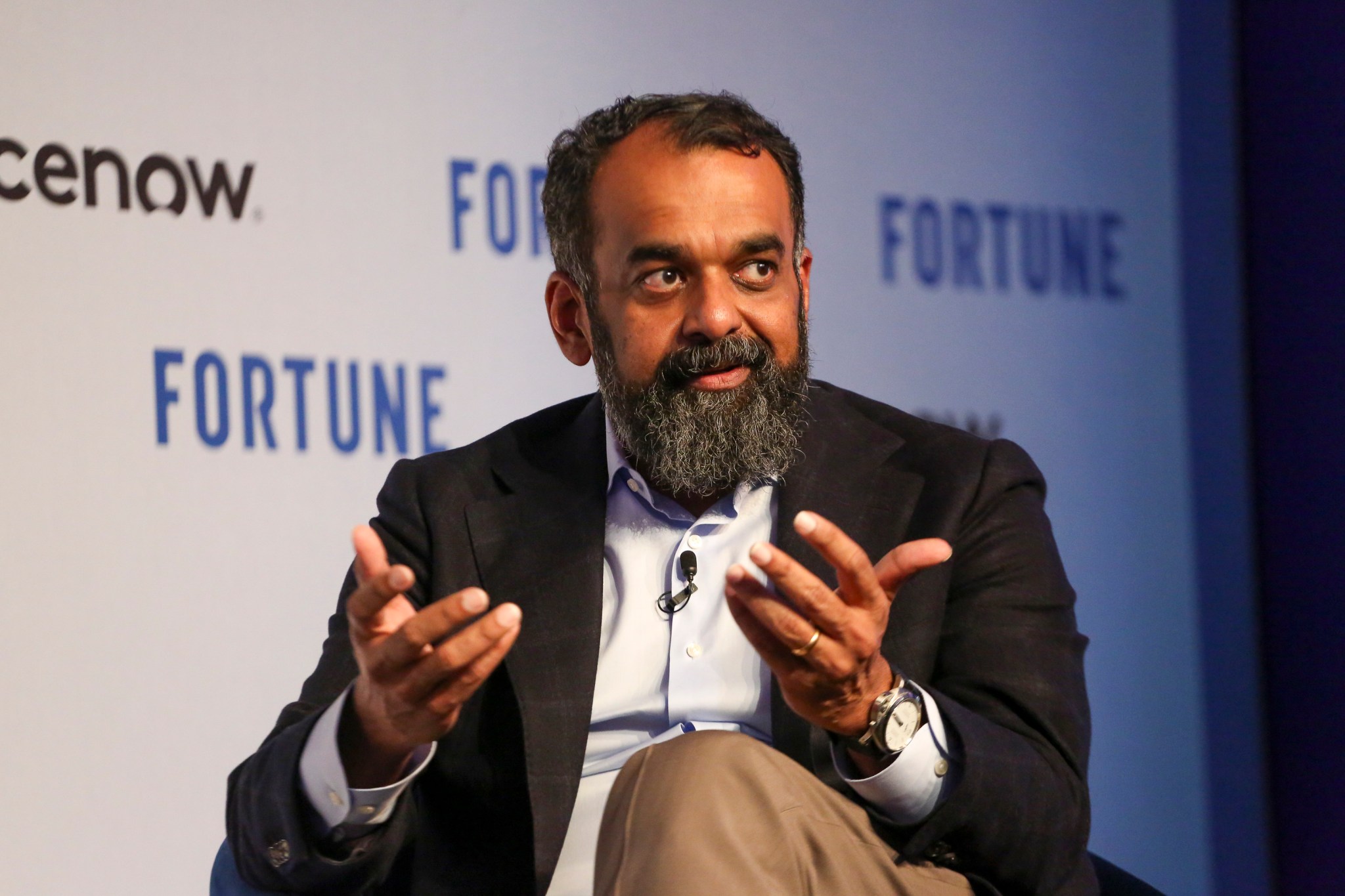
The FIFA World Cup is one of the most prestigious international sporting events, bringing together the world's top soccer teams in a spectacle of skill, strategy, and drama. For 27 years, Hyundai Motor Company has been a proud sponsor of FIFA, and it was during this tenure that the company's executive vice president and global chief marketing officer, Sungwon Jee, conceived the idea of integrating a humanoid robot into the World Cup experience. By placing Atlas at the heart of football's most sacred ritual, Hyundai made a statement that no commercial ever could.
The partnership between Hyundai and Boston Dynamics, the creators of Atlas, has been instrumental in bringing this revolutionary robot to life. With its advanced technology and cutting-edge design, Atlas has the potential to change the way we interact with robots in various industries, including sports, healthcare, and manufacturing. By training Atlas to learn and adapt, Boston Dynamics has paved the way for a new generation of robots that can think and behave like humans.
Key Details
Atlas, a fifth-generation humanoid robot, is a marvel of engineering and artificial intelligence. Standing at six feet tall and weighing around 110 pounds, it has 56 degrees of freedom, allowing it to move its body in a wide range of motions. With a 2.3-meter reach, Atlas can perform tasks that require precision and dexterity, making it an ideal candidate for applications in industries like healthcare and manufacturing. What sets Atlas apart from other robots, however, is its ability to learn and adapt through training, rather than being programmed with a fixed sequence of instructions.
Before Atlas ever touched a ball, it watched film of professional footballers performing drills and movements, studying the mechanics of the sport the way a player might review game tape. Human motion-capture data, including recordings of Boston Dynamics' own engineers suited up and running through the moves themselves, was fed into a physics-based simulation. This enabled Atlas to run through the same actions millions of times in parallel across cloud GPUs, learning to adapt to imperfect conditions until the behavior held up reliably.
Preparing Atlas for the World Cup required solving problems that had never come up in a factory or a lab, like the pitch. According to Alberto Rodriguez, Boston Dynamics' director of robot behavior, "Grass has that interesting property where sometimes you get this kind of unevenness, and you need to adapt to that." To overcome this challenge, the team developed a sophisticated system that allowed Atlas to adjust its movements to compensate for the uneven surface.
What Experts Say
As the world continues to grapple with the challenges of the Fourth Industrial Revolution, robots like Atlas are poised to play a crucial role in shaping the future of work and society. By developing robots that can learn and adapt, we can create new opportunities for collaboration and innovation between humans and machines.
"The moment Atlas enters public consciousness is the beginning of that journey toward becoming a partner that supports people in meaningful ways," said Sungwon Jee, Hyundai Motor Company's executive vice president and global chief marketing officer. "We believe that Atlas has the potential to inspire a new generation of innovators and thinkers, and we are excited to see where this journey takes us."
Key Takeaways
- Atlas, a six-foot humanoid robot, made history by delivering the game ball at the Brazil v. Norway FIFA World Cup match.
- Atlas has 56 degrees of freedom, allowing it to move its body in a wide range of motions, and can perform tasks that require precision and dexterity.
- The robot was trained to learn and adapt through a combination of film study, human motion-capture data, and physics-based simulation.
- Preparing Atlas for the World Cup required solving problems that had never come up in a factory or a lab, like the pitch.
- Robots like Atlas have the potential to change the way we interact with machines in various industries, including sports, healthcare, and manufacturing.
What This Means For You
The integration of robots like Atlas into the World Cup experience marks a new era of innovation and collaboration between humans and machines. As we continue to develop more advanced robots that can learn and adapt, we can create new opportunities for growth, innovation, and progress. By embracing this technology, we can unlock new possibilities for industries and applications that were previously unimaginable.
As we look to the future, one thing is clear: the partnership between humans and machines will continue to shape the world we live in. With robots like Atlas leading the charge, we can expect to see exciting developments in industries like sports, healthcare, and manufacturing. The question is, what's next for this revolutionary robot, and how will it continue to inspire and transform our world?






 English (US) ·