.png)
 1 day ago
4
1 day ago
4
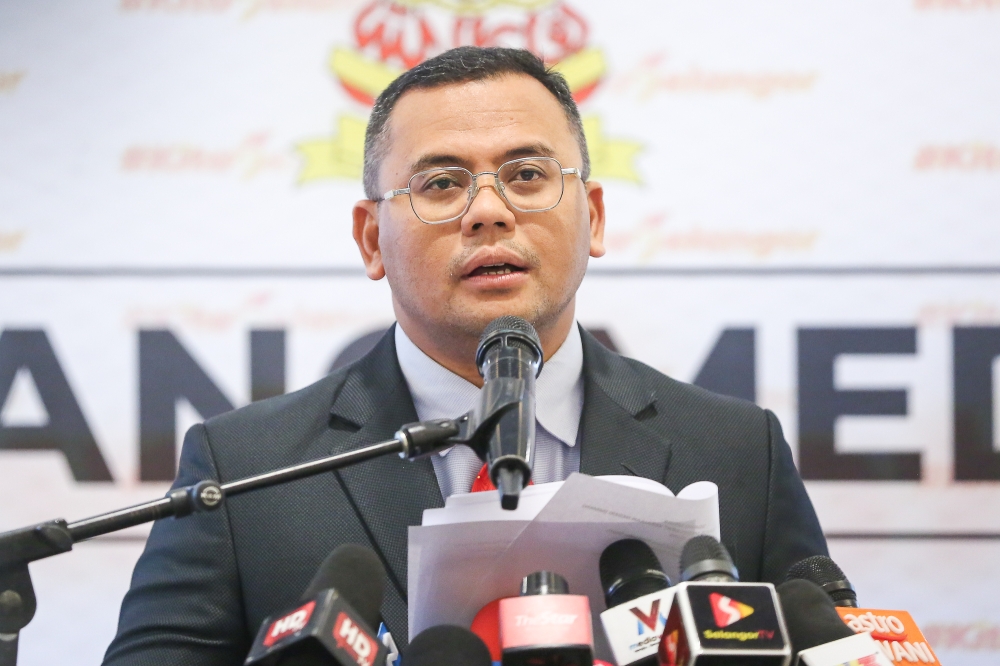
Malaysian politics has long been plagued by misinformation and baseless accusations, but now, the country's leader is speaking out against this trend. Datuk Seri Mohamad Sabu, president of the Malaysian Islamic Party (PAS) and Agriculture and Food Security Minister, has launched a book that serves as a stark reminder of the dangers of blindly accepting information. At a recent launch event for his book, Mustadhafin vs Mustakbirin, Sabu urged Malaysians to verify facts before taking a stand on any issue, warning that accepting allegations without scrutiny can fuel 'asabiyyah', a tendency to defend one's own group even when it is at fault.
Background & Context
The concept of 'asabiyyah has its roots in Islamic history and refers to the tendency of individuals to prioritize their own group's interests over the truth. In modern times, this phenomenon can manifest in various ways, including the spread of misinformation and the reluctance to accept criticism or opposing viewpoints. In Malaysia, the rise of social media has made it easier for misinformation to spread quickly, often with devastating consequences.
The launch of Sabu's book, which explores themes such as colonialism, the Islamic movement, and global geopolitics, comes at a time when Malaysia is grappling with its own set of complex issues. From allegations of corruption to debates over the country's future direction, Malaysians are constantly bombarded with information, much of which is unverified or misleading. In this context, Sabu's call for caution and critical thinking is more relevant than ever.
Key Details
At the launch event, Sabu emphasized the importance of verifying facts before accepting information as true. He noted that accusations and suspicions can spread quickly, especially through social media, but often lack concrete evidence to support them. In contrast, facts and knowledge may be harder to accept and take longer to digest, but they provide a more stable foundation for understanding complex issues.
Sabu also shared his personal experiences, which have shaped his perspective on the importance of critical thinking. He recalled that from a young age, he would not immediately accept information he received, preferring to find out for himself what was happening rather than simply listening to propaganda being circulated. This approach, he said, has served him well in his political career, allowing him to make informed decisions and navigate complex issues with greater ease.
What Experts Say
Experts in the field of critical thinking and media literacy have long emphasized the importance of verifying information before accepting it as true. By doing so, individuals can avoid falling prey to misinformation and develop a more nuanced understanding of complex issues. In the context of Malaysia, where misinformation can have serious consequences, Sabu's message is timely and relevant.
As one expert noted, "Sabu's book is a reminder that critical thinking is not just a skill, but a necessity in today's information age. By encouraging Malaysians to verify facts before accepting information, he is helping to promote a culture of critical thinking and media literacy that is essential for building a more informed and engaged citizenry."
Key Takeaways
- Facts and knowledge may be harder to accept, but they provide a more stable foundation for understanding complex issues.
- Accepting allegations without scrutiny can fuel 'asabiyyah', a tendency to defend one's own group even when it is at fault.
- Critical thinking is not just a skill, but a necessity in today's information age.
- Verifying information before accepting it as true is essential for building a more informed and engaged citizenry.
What This Means For You
For everyday Malaysians, Sabu's message has practical implications. By taking the time to verify facts before accepting information, individuals can avoid falling prey to misinformation and make more informed decisions. This approach can also help to promote a culture of critical thinking and media literacy that is essential for building a more informed and engaged citizenry.
So, the next time you come across a news article or social media post that claims something is true, take a step back and ask yourself: is this information verified? Is it based on concrete evidence or just speculation? By asking these questions, you can become a more discerning consumer of information and help to promote a culture of critical thinking and media literacy in Malaysia.







 English (US) ·