.png)
 2 months ago
42
2 months ago
42
EC Probes Voters Who Shared Marked Ballot Photos After Johor Polls
The Election Commission (EC) is set to investigate voters who shared photos of marked ballot papers on social media after the Johor state election, sparking concerns about the integrity of the electoral process. The EC has identified instances where voters uploaded pictures of marked ballot papers, but it remains unclear whether these images were taken by ordinary voters inside polling streams or by postal voters.
Background & Context
The 16th Johor state election was held recently, with voters casting their ballots to determine the state's new government. The election was closely watched, with many observers scrutinizing the voting process for any signs of irregularities. The EC has a reputation for conducting free and fair elections, but the recent incidents have raised questions about the commission's ability to prevent voters from sharing sensitive information on social media.
The use of social media has become increasingly prevalent in modern elections, with many voters sharing their experiences and opinions on platforms like Facebook and Twitter. However, this has also created new challenges for election authorities, who must balance the need for transparency with the need to prevent sensitive information from being shared. In this case, the EC is facing a delicate balance between allowing voters to express themselves on social media and preventing them from compromising the integrity of the electoral process.
Key Details
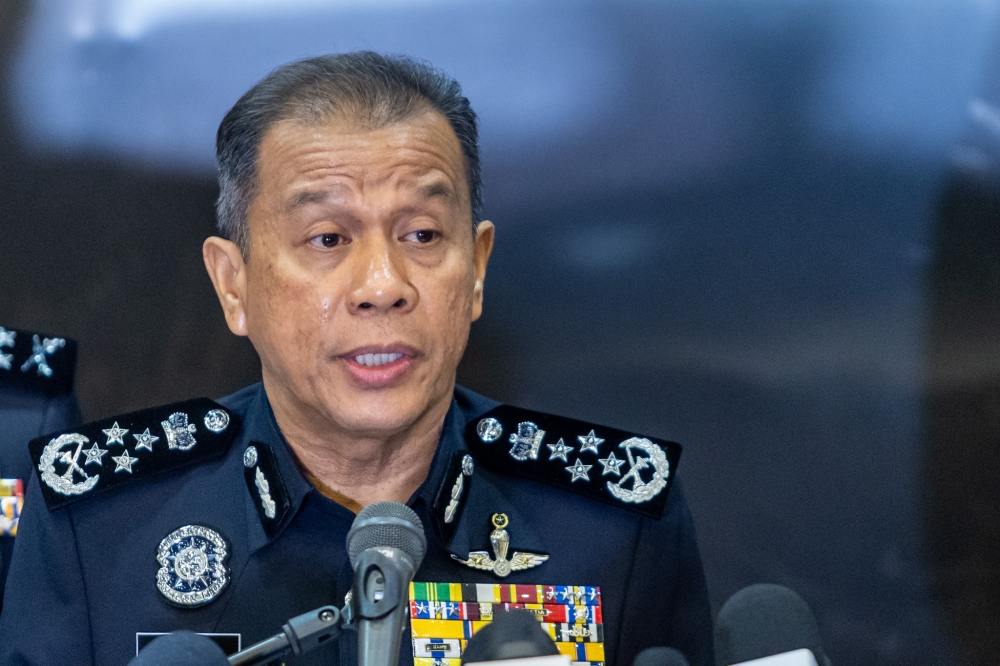
According to EC chairman Datuk Seri Ramlan Harun, the commission will conduct a detailed review of the incidents involving voters who shared marked ballot photos on social media. Ramlan emphasized that the commission needs to determine whether the images were taken by ordinary voters inside polling streams or by postal voters. "We saw several posts on social media where some parties uploaded pictures of marked ballot papers," Ramlan said in a press conference. "However, we cannot confirm whether the images were taken inside polling streams during normal voting or whether they may have involved postal voters."
Ramlan also reminded voters that EC standard operating procedures require them to place their mobile phones in designated white boxes before entering polling streams. This measure is designed to prevent voters from taking photos or videos of marked ballot papers, which could compromise the integrity of the electoral process. Despite this, some voters still managed to share images of marked ballot papers on social media, sparking concerns about the effectiveness of the EC's measures.
What Experts Say
According to election experts, the recent incidents highlight the need for the EC to take a more proactive approach to preventing voters from sharing sensitive information on social media. "The EC needs to take a more nuanced approach to social media management during elections," said Dr. Wong Chin Huat, a prominent election analyst. "While social media can be a powerful tool for engaging voters, it also creates new challenges for election authorities. In this case, the EC needs to balance the need for transparency with the need to prevent sensitive information from being shared."
Another expert, Dr. Siva Kumar, noted that the EC's measures to prevent voters from taking photos or videos of marked ballot papers may not be sufficient. "The EC's standard operating procedures require voters to place their mobile phones in designated white boxes before entering polling streams," Dr. Siva Kumar said. "However, this may not be enough to prevent voters from taking photos or videos of marked ballot papers. The EC needs to take a more comprehensive approach to social media management during elections."
Key Takeaways
- The EC will conduct a detailed review of the incidents involving voters who shared marked ballot photos on social media.
- The commission needs to determine whether the images were taken by ordinary voters inside polling streams or by postal voters.
- Voters are reminded that EC standard operating procedures require them to place their mobile phones in designated white boxes before entering polling streams.
- The EC needs to take a more proactive approach to preventing voters from sharing sensitive information on social media.
What This Means For You
For everyday voters, the recent incidents serve as a reminder of the importance of maintaining the integrity of the electoral process. While social media can be a powerful tool for engaging voters, it also creates new challenges for election authorities. In this case, the EC's measures to prevent voters from sharing sensitive information on social media may not be sufficient. Voters need to be aware of the risks involved in sharing sensitive information on social media and take steps to prevent compromising the integrity of the electoral process.
As voters, it is essential to be aware of the EC's measures to prevent voters from sharing sensitive information on social media. We must take a proactive approach to maintaining the integrity of the electoral process and report any suspicious activity to the authorities. By working together, we can ensure that our elections remain free and fair.






 English (US) ·