.png)
 3 hours ago
5
3 hours ago
5
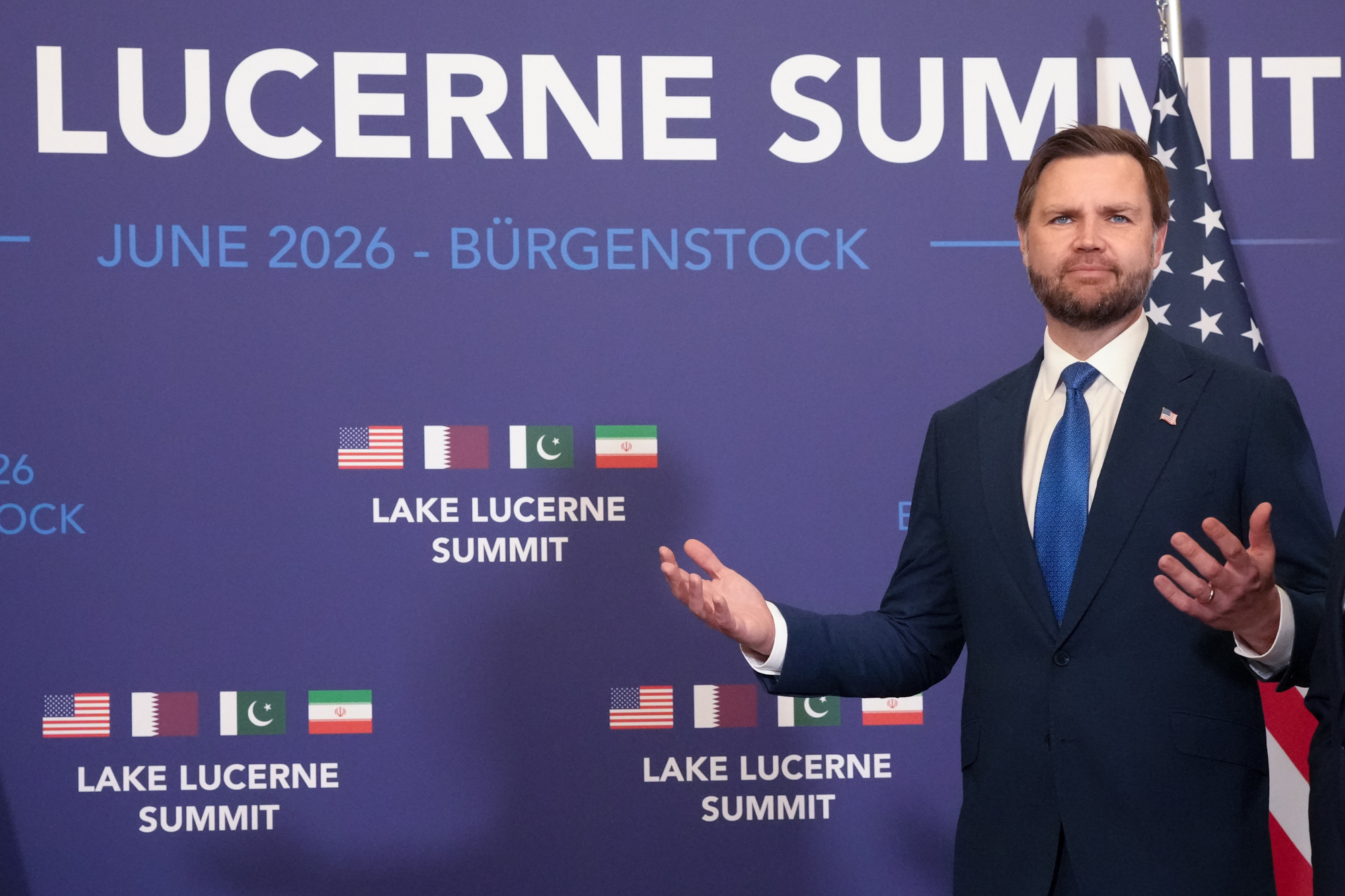
The global markets took a sharp downturn and oil prices surged as the first day of peace talks between the US and Iran got off to a rocky start, with President Donald Trump wasting no time in issuing a stern warning to Tehran, threatening to unleash war if the Strait of Hormuz is closed.
Background & Context
The US and Iran had agreed on a memorandum of understanding (MOU) last weekend, which reopens the Strait of Hormuz, ends the US naval blockade, and begins a 60-day period for both sides to negotiate other issues like Tehran's nuclear program and relief from US sanctions.
However, the fragile peace talks have hit a roadblock, with the Iranian delegation remaining in Switzerland to continue negotiations, but their resolve tested by Trump's belligerent rhetoric.
Key Details
US stock futures fell sharply, with the Dow Jones industrial average down 191 points, or 0.37%, while S&P 500 futures lost 0.52% and Nasdaq futures dropped 0.74%. The US oil futures rose 2.1% to $78.19 a barrel, while Brent crude climbed 1.2% to $81.53.
In a fiery interview with Fox News, Trump warned Iranian officials, "You close it and you won't have a country. You won't even make it back to your f--king country." He also stated that the US may take over the strait, adding, "I'll blow the s--t out of them. If they don't make a deal, we'll collect tolls."
Iran's new Persian Gulf Strait Authority has warned that ships must follow a regime-established route that passes along the Iranian coast, and that alternatives are prohibited. The PGSA is also requiring insurance that will eventually come at a cost.
What Experts Say
Analysts warn that the situation in Lebanon will remain a sticking point, with Israeli Prime Minister Benjamin Netanyahu reiterating that he would keep military forces in southern Lebanon "as long as we need to protect our people." This will likely drag on the talks over Iran's nuclear program.
US Central Command insisted that safe passage through the Strait of Hormuz remained intact, and that traffic is up. However, the situation remains volatile, with the Joint Maritime Information Center issuing an advisory on Thursday affirming that a southern route along Oman's coast is safe.
Key Takeaways
- US stock futures fell sharply, with the Dow Jones industrial average down 191 points, or 0.37%.
- US oil futures rose 2.1% to $78.19 a barrel, while Brent crude climbed 1.2% to $81.53.
- Iran's new Persian Gulf Strait Authority has warned that ships must follow a regime-established route that passes along the Iranian coast.
- US Central Command insisted that safe passage through the Strait of Hormuz remained intact, and that traffic is up.
What This Means For You
The global market volatility and the escalating tensions in the Middle East will have far-reaching consequences for everyday investors. As the situation remains uncertain, it's essential to stay informed and adapt your investment strategy accordingly.
With the Strait of Hormuz at the center of the conflict, the global energy market will remain under pressure, with oil prices likely to continue their upward trajectory. As a result, it's crucial to diversify your portfolio and be prepared for any potential market fluctuations.
As the situation in Lebanon continues to unfold, it's clear that the talks over Iran's nuclear program will take a back seat. The tug-of-war over the Strait of Hormuz will continue to drag on, with both sides refusing to back down.
Ultimately, the fate of the Middle East and the global economy hangs in the balance. As the situation remains volatile, it's essential to stay informed and adapt to the changing landscape.







 English (US) ·