.png)
 57 minutes ago
1
57 minutes ago
1
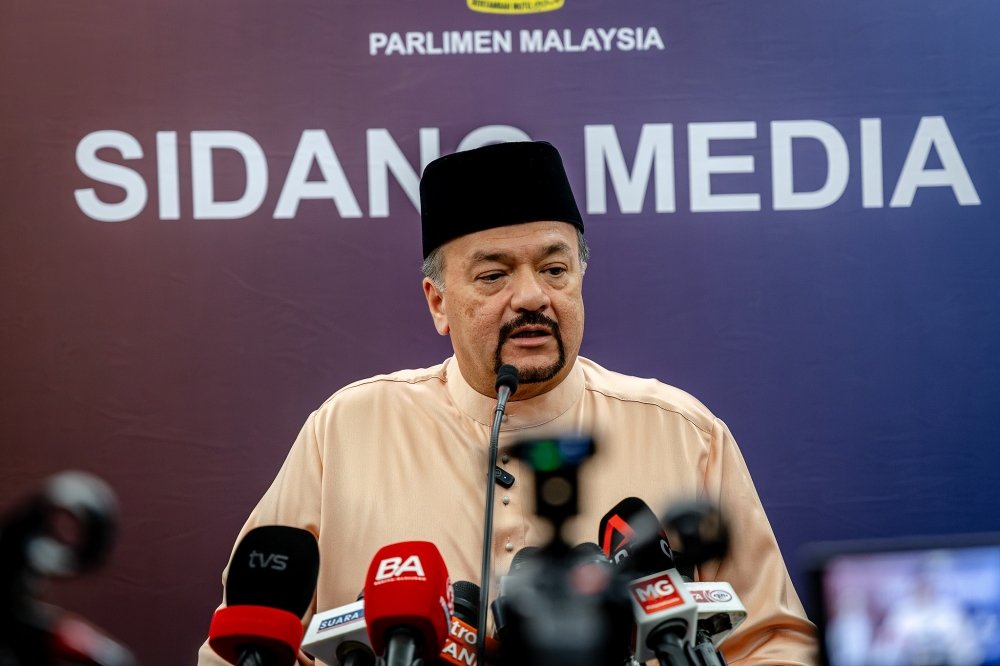
KUALA LUMPUR, Oct 9 — Budget 2027 has drawn broadly positive reactions from Cabinet ministers, who welcomed its emphasis on easing the cost of living, raising wages and improving public services, as the government seeks to ensure that the benefits of economic growth reach ordinary Malaysians.
Finance Minister II Datuk Seri Amir Hamzah Azizan said the measures reflected public feedback gathered through nationwide engagement sessions, particularly concerns over rising living costs and the need for better wages.
“Our effort in Budget 2027 is to ensure that the spillover gains from the country successfully becoming a strong trading nation are passed down to the people,” he said at a press conference following the budget's tabling in Parliament today.
“The government has listened to feedback received from various parties, through the budget roadshows, engagement sessions, and the grievances brought to us,” he added.
“Today we can see how we outlined our focus areas during the pre-budget sessions to address cost-of-living issues and improve wage quality across the country.”
Prime Minister Datuk Seri Anwar Ibrahim, who is also Finance Minister, earlier tabled Budget 2027, which places greater emphasis on boosting household disposable income and supporting middle-income earners alongside continued economic reforms.
Among the measures announced were an increase in the minimum wage to RM2,000 per month, higher entry-level pay floors for graduates and semi-skilled workers, tax relief for middle-income earners and expanded direct cash assistance programmes.
Deputy Prime Minister Datuk Seri Ahmad Zahid Hamidi welcomed the budget’s focus on technical and vocational education and training (TVET), saying the measures would help address financial pressures faced by the M40 while improving employment prospects for skilled workers.
“Overall, this budget reflects the government’s strong commitment to addressing the problems faced by the M40 group, whose disposable income and purchasing power have been under pressure because of high financial commitments,” he said in his initial reaction.
Zahid said the RM8 billion allocation for TVET would allow the government to expand training in specialised fields, including robotics, and improve workers’ employability.
“We will expand courses that are appropriate to market demand, so that the skills acquired can lead to better employment prospects,” he said, also welcoming provisions for higher wages for skilled workers.
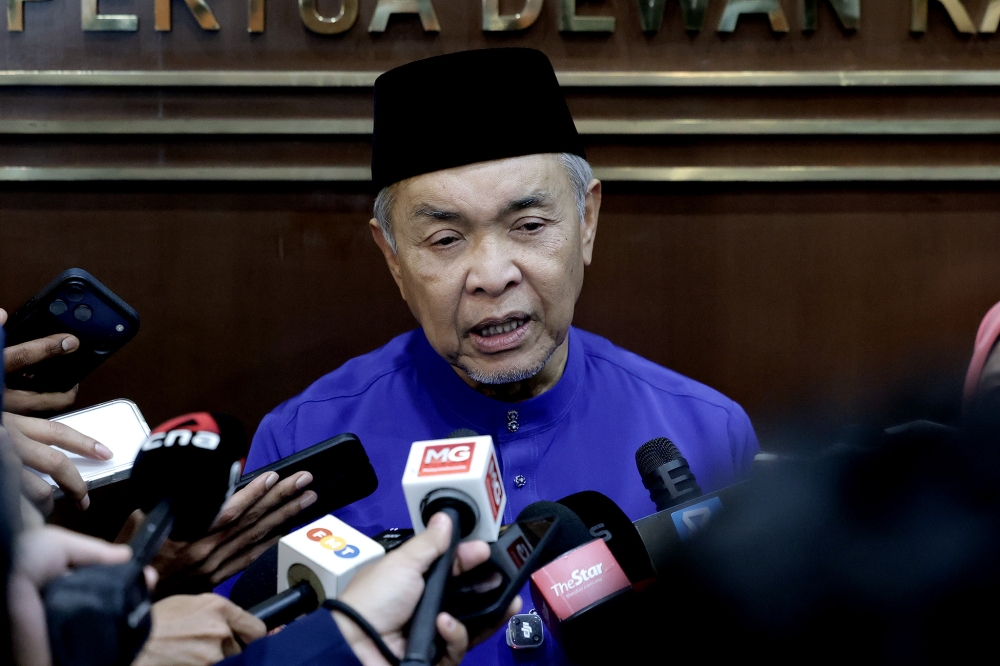
Zahid, who is also Rural and Regional Development Minister, said his ministry had received a slight increase in its allocation to RM12.68 billion, stressing that the priority was to ensure programmes delivered meaningful benefits to target groups.
Communications Minister Datuk Fahmi Fadzil, meanwhile, welcomed measures to assist the M40 and B40 groups, as well as support for the local film industry and continued investment in digital infrastructure.
“For the first time, the film sector has received interesting support,” he said, expressing hope that Kuala Lumpur and Putrajaya would see more filmmaking activity, which could contribute to economic growth and job creation.
Fahmi also highlighted the government's recognition of National Information Dissemination Centres (NADI) and the importance of continued investment in the Jalinan Digital Negara (JENDELA) initiative and submarine cable connectivity.
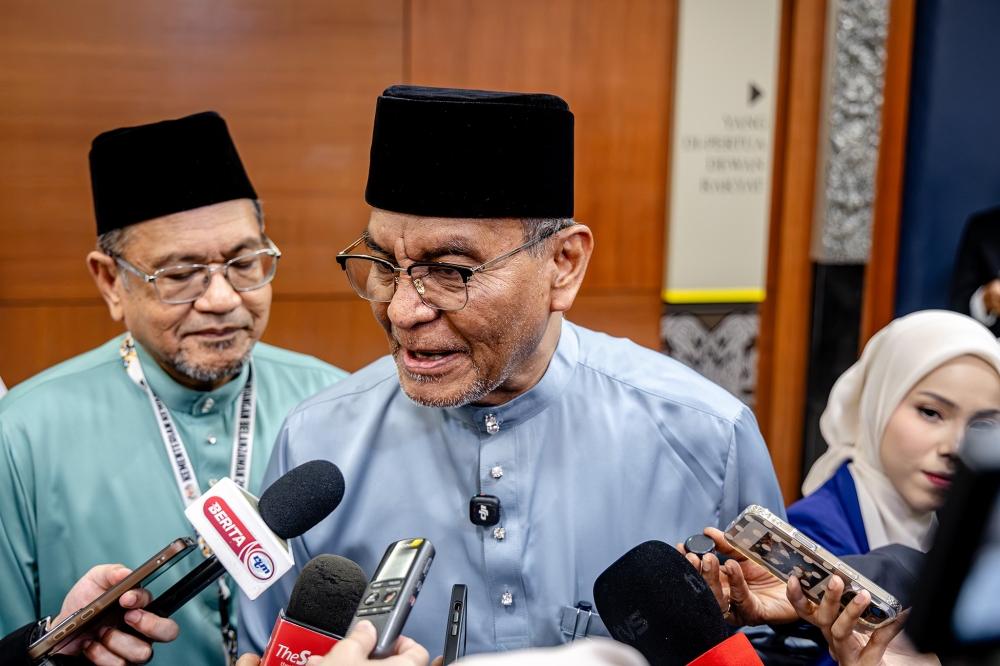
Health Minister Datuk Seri Dr Dzulkefly Ahmad described the RM47.7 billion allocation for his ministry as a reasonable basis for continuing healthcare reforms, including addressing longstanding staffing shortages and improving medical facilities.
He welcomed the provision of more than 9,000 permanent positions for contract doctors, as well as increased post-basic incentive payments for 47,000 paramedics and nurses.
Dzulkefly also highlighted RM1.2 billion for maintaining and repairing public hospitals and clinics, saying the additional resources would help the ministry improve healthcare services.
Works Minister Datuk Seri Alexander Nanta Linggi welcomed increased funding for infrastructure and smaller contractors, despite his ministry receiving a relatively modest 1.78 per cent increase in its overall allocation.
“What is important is how we use it. We have many programmes and projects,” he said, pointing to additional opportunities for G1 to G4 contractors and RM800 million for construction, roads and infrastructure, including RM350 million for Sabah and Sarawak contractors.
Nanta said allocations for district engineers had increased from RM30 million to RM40 million, allowing smaller infrastructure problems to be addressed more quickly without further approvals.
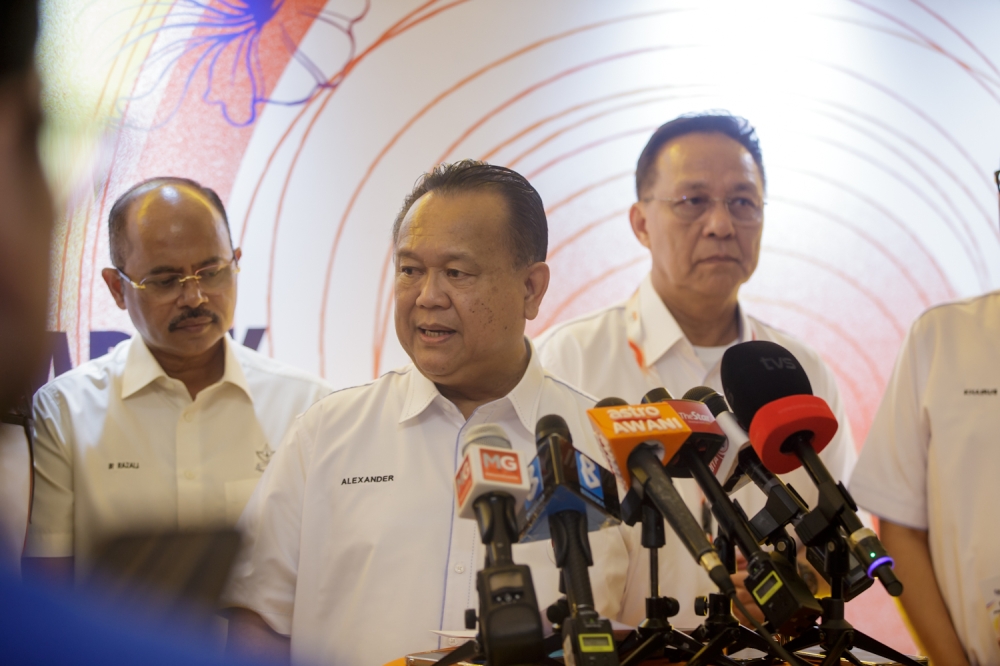
He also welcomed provisions for motorcycle shelters, closed-circuit television cameras along PLUS highways and 50 electric vehicle charging points, saying the measures would improve facilities for road users despite government spending constraints.
Beyond the sector-specific allocations, Budget 2027 also increased funding for Sumbangan Tunai Rahmah (STR) and Sumbangan Asas Rahmah (SARA) to RM16 billion, from RM15 billion, while raising individual income tax relief from RM9,000 to RM12,000.
The measures reflect what appears to be a central theme of Anwar’s fifth budget — ensuring that the gains from economic growth and reforms pursued over the past four years translate into higher household incomes, reduced financial pressures and tangible improvements in the daily lives of Malaysians.







 English (US) ·