.png)
 43 minutes ago
1
43 minutes ago
1
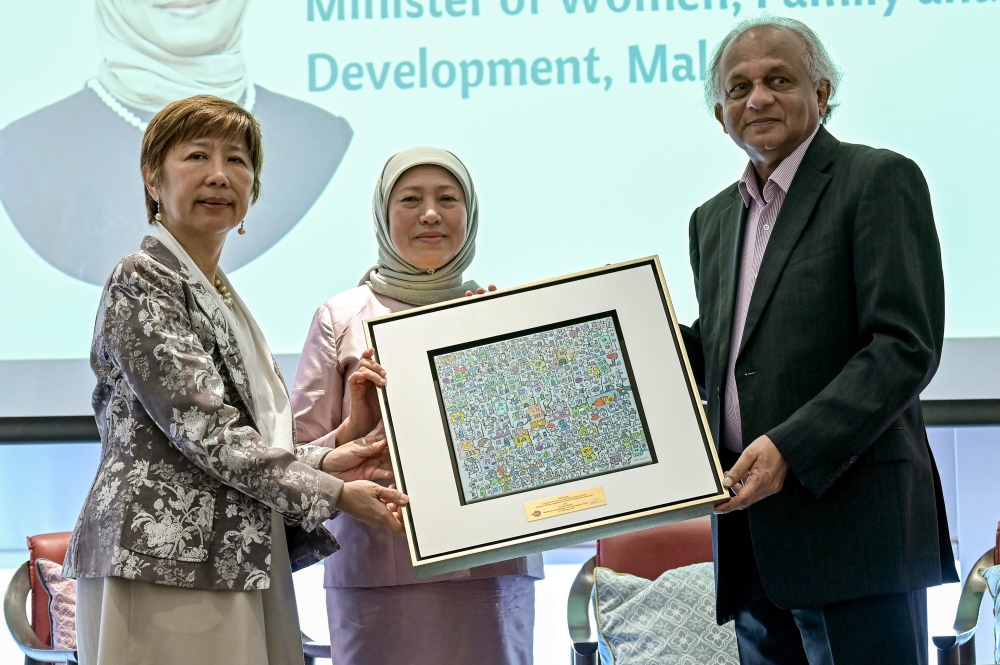
KUALA LUMPUR, Sept 22 — Planning for neurodivergent individuals must extend beyond childhood intervention to cover their needs throughout their lifespan, particularly as their parents and caregivers grow older.
Women, Family and Community Development Minister Datuk Seri Nancy Shukri said this was increasingly important as neurodivergent individuals were living longer and Malaysia was rapidly transitioning towards an ageing society, with those aged 60 and above expected to make up 15 per cent of the population by 2036.
“Today, we are confronting two realities at the same time. Firstly, as healthcare and living conditions improve, neurodivergent individuals are living longer, fuller lives and secondly, Malaysia is rapidly transitioning towards an aged nation status, with citizens aged 60 and above expected to reach 15 per cent of our population by 2036,” she said in her speech at the “The Next Chapter: Planning for Neurodivergent Lives and Ageing Families” forum here today.
She said disability planning had traditionally focused on early intervention and childhood development, but this needed to be expanded to address the long-term needs of neurodivergent individuals and ageing caregivers.
“Care cannot continue to be treated as an invisible responsibility carried primarily by families, and often by women, without adequate support. It must be recognised as a shared responsibility across families, communities, Government and the wider care ecosystem,” she said.
Nancy said this included specialised care, living arrangements, financial planning, adult support programmes, inclusive environments and social integration, with efforts aligned with the National Plan of Action for Persons with Disabilities 2026-2030, National Plan of Action for Older Persons 2026-2030 and Malaysia Care Strategic Framework and Action Plan 2026-2030.
Meanwhile, Malaysian Healthy Ageing Society (MHAS) president Prof V. Nathan said Malaysia needed comprehensive national information on autistic children, adults and older people to better understand their needs as the population aged.
He said services should move beyond childhood-focused interventions to address access to healthcare, sensory-unfriendly environments, loneliness, mobility difficulties and caregiver stress, while involving neurodivergent people in identifying needs, setting priorities and designing services.
Oasis Place founder Dr Choy Sook Kuen said Malaysia also needed more qualified healthcare and allied health professionals and better-trained family caregivers, including parents, siblings, spouses and other caregivers who provide day-to-day support.
The forum, organised by MHAS in collaboration with Oasis Place, brought together healthcare and social-care professionals, caregivers, advocates and other stakeholders to discuss the long-term needs of neurodivergent adults and families providing lifelong care. — Bernama








 English (US) ·